The Biggest Money Mistakes Travelers Make Abroad
Summary
Most money problems abroad don’t come from one huge mistake. They come from a series of small, avoidable decisions that quietly add up. When you understand the most common traps, you can sidestep them and keep more of your money for the experiences you actually care about.
Relying on One Card or One Bank
One of the biggest mistakes is traveling with only one main payment method. It feels simpler in the moment, but if that card is declined, lost, swallowed by an ATM, or locked for fraud checks, you can suddenly find yourself without a way to pay for basic needs. That kind of stress can turn a normal travel hiccup into a full-on crisis.
Instead, it helps to think in terms of layers. Having at least two credit cards from different issuers, plus one debit card for ATM use, gives you backup options if something goes wrong. Keeping one card in your wallet and another in a separate bag, or hidden spot, adds another layer of protection. This way, a lost wallet doesn’t instantly shut down your access to money.
Using just one bank can create its own risks. If that bank has a system outage, tight fraud filters, or customer support that’s hard to reach from abroad, you’re stuck waiting on their timeline. With more than one bank in the mix, you can pivot faster and avoid putting your entire trip in the hands of a single system that feels like it’s rigged against you.
Ignoring Foreign Transaction Fees and Exchange Rates
Another common mistake is not paying attention to foreign transaction fees until after the trip is over. Those small percentage fees on every purchase in a foreign currency may look minor, but over weeks of meals, tickets, and hotel stays, they quietly add up to a noticeable amount of money. If your card charges these fees, then you’re paying extra for every single swipe or tap abroad.
In addition, exchange rates can be just as sneaky. When you’re offered the chance to “pay in your home currency” instead of the local one on card machines or ATMs, it often sounds like a convenience. In reality, it usually comes with a worse rate, which means that you’re spending more than you would by simply choosing the local currency. It doesn’t feel dramatic at the checkout, but it shows up clearly on your bank statement later.
It’s easy to underestimate how much these small costs matter because you rarely see them in the moment. But if you’ve ever looked back at your trip total and wondered why it was higher than expected, these quiet fees and conversion markups are often a big part of that story.
Treating Airport and Tourist Prices as “Normal”
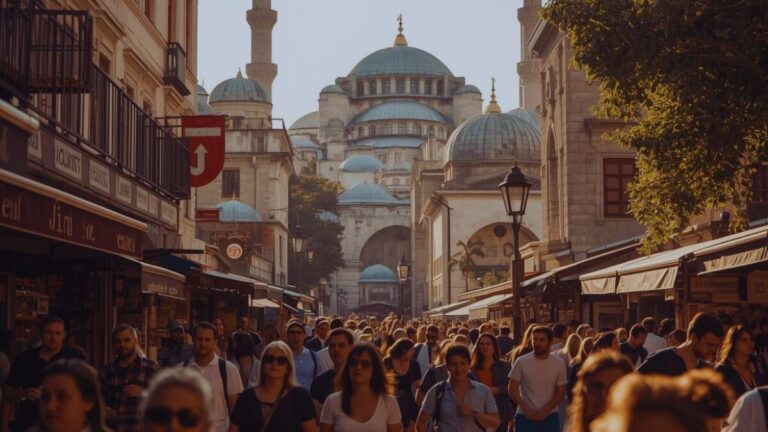
Airports, train stations, and tourist-heavy areas are designed for convenience, not value. A big money mistake is treating the prices you see in those zones as if they’re standard for the country you’re visiting. Grabbing full meals, last-minute gear, or basic toiletries in these places can quickly eat into your budget before you even reach your hotel.
The same goes for shops and restaurants clustered right next to major attractions. These spots often charge higher prices for the same items you could find a few streets away. When you’re hungry, tired, or excited, it’s easy to sit down at the first place you see, but repeating that choice day after day can quietly double what you spend on food and small purchases.
None of this means you can never buy anything in these areas. It just means you’ll save a lot by treating them as backup options instead of your default. If you plan ahead a bit—like eating before you head to an attraction, or carrying a reusable water bottle and small snacks—you’ll feel much less pressure to pay whatever price is in front of you.
Withdrawing Cash the Expensive Way
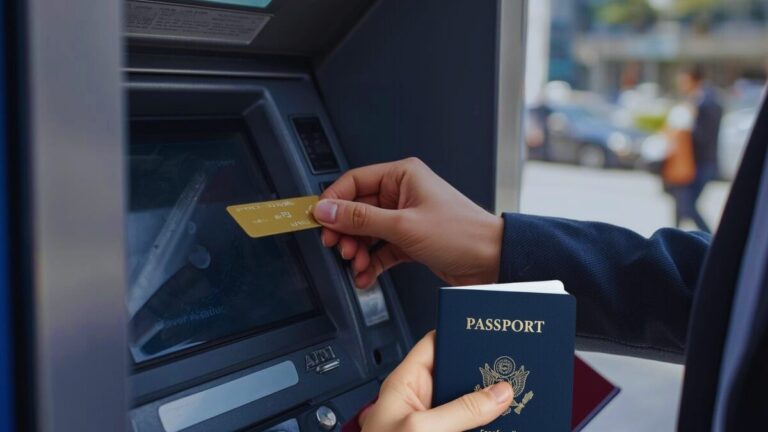
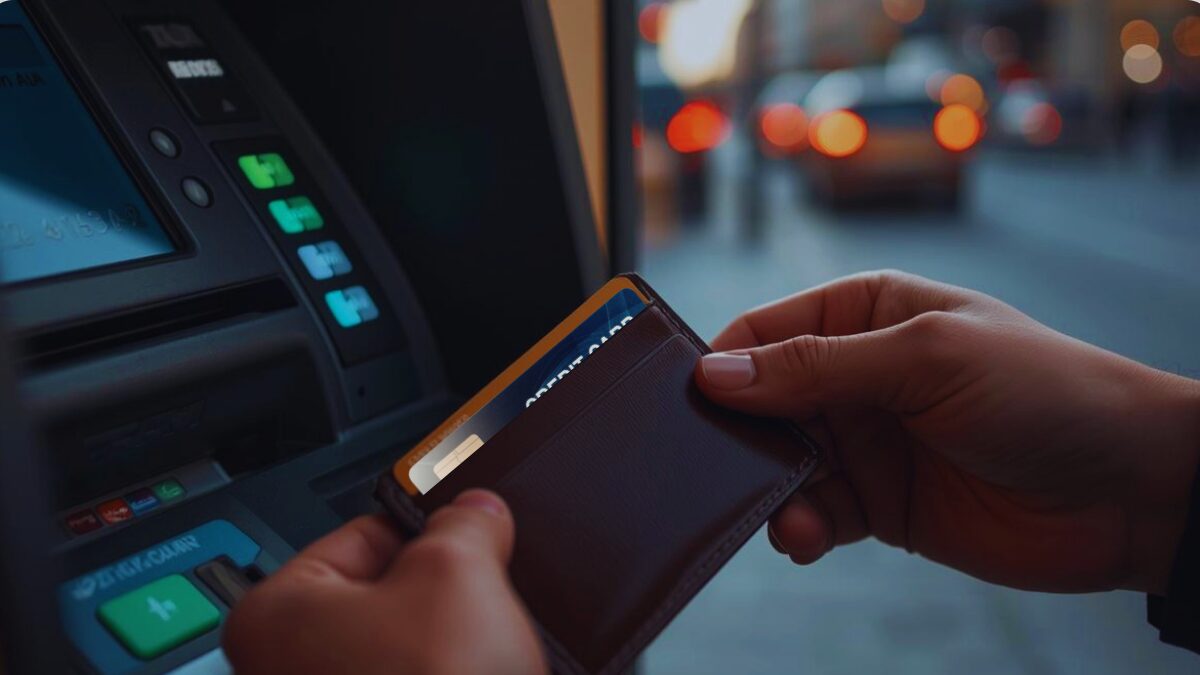
Cash is still essential in many parts of the world, but how you withdraw it matters. A common mistake is using the first ATM you see, especially independent machines in busy tourist zones that charge high fees and can have less favorable exchange rates. If you repeat this several times on one trip, you’ll spend a surprising amount just on ATM charges.
Pulling out very small amounts of cash frequently can be just as costly. Each withdrawal can trigger a flat fee from your bank, a local fee from the ATM operator, or both. If you’re taking out tiny amounts every day, you’re paying that fee over and over again instead of spreading it out across fewer, slightly larger withdrawals.
It’s also easy to forget to check your own bank’s policies before leaving. Not knowing your daily withdrawal limits or whether your bank reimburses ATM fees can lead to frustrating moments where you can’t access as much cash as you need—or you can. There’s also the flip side of this scenario, where you can access your money, as long as you’re willing to pay more than you expected.
Assuming Cards Work Everywhere (or Nowhere)
Many travelers default to one extreme: either assuming their cards will work everywhere, or assuming they’re useless outside big cities. Both assumptions can lead to money problems. If you expect cards to be accepted everywhere and they’re not, you might find yourself stuck at a market, in a taxi, or at a small guesthouse that only takes cash.
On the other hand, if you assume cards are never accepted and carry too much cash, you increase the risk of loss or theft. You might also miss out on useful protections that come with card payments, like better fraud coverage or easier dispute processes if something goes wrong with a purchase.
The sweet spot is knowing roughly what to expect in the specific places you’re visiting, then balancing both options. Having enough cash for smaller spots and enough card access for bigger purchases makes it easier to adapt without swinging to either costly extreme.
Not Having a Plan for Scams and “Urgent” Payment Requests
Another big money mistake abroad is assuming you’ll be able to spot every scam easily. In reality, travel scams often feel rushed but plausible: a taxi with a broken meter, a tour that suddenly needs a cash top-up, a stranger who insists you must pay now to avoid a fine or missed opportunity. When you’re tired or stressed, it’s easy to give in and pay without thinking it through.
Digital and payment-based scams are becoming more sophisticated as well. You might be asked to pay through unfamiliar apps, QR codes, or wire transfers that are hard to reverse. If you haven’t decided ahead of time how you will and will not pay people, you may say yes to something you’d normally question at home.
Having a personal rule that you won’t rush into payments under pressure can protect you. Giving yourself a moment to breathe, ask questions, or walk away often makes the difference between a safe decision and a costly one. It’s not about being paranoid. It’s about giving yourself space to think clearly in unfamiliar situations.
Forgetting About Digital Access and Security
A lot of money mistakes abroad come from forgetting how closely your digital access is tied to your finances. If you can’t log into your bank or card apps because they require a code sent to a U.S. phone number you no longer have in service, you can’t easily respond to fraud alerts, declined payments, or account issues. That can leave you feeling locked out of your own money.
Using public Wi‑Fi networks for sensitive financial tasks is another risk area. Logging into banking apps or entering card details on unsecured connections can expose your information in ways that aren’t obvious in the moment. The consequences often show up later as suspicious activity or unauthorized charges that are harder to trace back.
Neglecting basic digital safety, such not updating passwords, skipping two-factor authentication setups before you leave, or not using a secure password manager can compound these issues. When you’re already dealing with time zones and language barriers, adding account access problems on top of that can make everything feel much heavier than it needs to be.
Not Setting a Realistic Daily Budget (or Ignoring It)
Another big mistake is traveling without any sense of what you can comfortably spend each day. Without a loose daily or weekly budget, it’s easy to say yes to every extra drink, tour, and treat. Then, you’re halfway through your trip and realize you’ve spent far more than you planned. At that point, making cuts can feel like you’re suddenly punishing yourself instead of adjusting calmly.
The other side of the mistake is having a budget in your head, but never actually checking where you stand. If you never look at your transactions or roughly track what you’ve spent, you’re always guessing. That kind of uncertainty can either lead you to overspend or make slightly larger withdrawals.
A simple habit of reviewing your spending every few days whether through an app, a note on your phone, or a quick look at your statements helps you steer gently instead of slamming on the brakes later. It’s less about strict rules and more about staying aware enough to adjust before things feel out of control.
Putting Off Travel Insurance and Emergency Planning
Skipping travel insurance altogether, or buying it without understanding what it covers, is another common mistake that shows up only when something goes wrong. Medical care, emergency transport, and last-minute changes can be extremely expensive in some countries. Without at least some safety net, a single incident can overshadow your entire travel budget.
Emergency money planning often gets overlooked too. If you don’t have a clear sense of how much you could tap into in a true emergency, or how you would access it, you may feel forced into expensive, rushed decisions when plans fall apart. That might look like booking the only available last-minute ticket, paying too much for a room because you’re stranded, or struggling to cover unexpected medical costs.
Having even a modest emergency cushion and a basic understanding of what your insurance includes lets you make calmer choices. You don’t need to plan for every possible scenario, but knowing you have a backup plan if a major disruption happens can make a huge difference in both your finances and your peace of mind.
Treating Every Trip as a Financial “Exception”
One subtle money mistake abroad is treating every trip like a free pass from your normal financial values. It’s easy to think, “It’ll be ok. I’m on vacation,” especially when you’re somewhere new and exciting. Over time, though, treating every trip as an exception can lead to a pattern of overspending that makes travel feel financially unsustainable.
On the flip side, you don’t need to strip all the joy and spontaneity out of your travel budget to be responsible. The key is deciding ahead of time what you truly want to prioritize. Maybe it’s food, unique experiences, or staying in a comfortable place, and then letting those priorities guide your bigger spending decisions. When your money choices match what you actually care about, it doesn’t feel like you’re denying yourself. Instead, it feels like you’re being intentional.
Seeing travel as part of your long-term financial life, not separate from it, helps you avoid big swings between “treat yourself” and “panic later.” You can still enjoy great trips while building habits that support both your present experiences and your future plans.
With that said, take control of your travel finances. Sign up for our newsletter and follow us on social media for smart tips on saving money, avoiding fees, and managing your finances abroad.