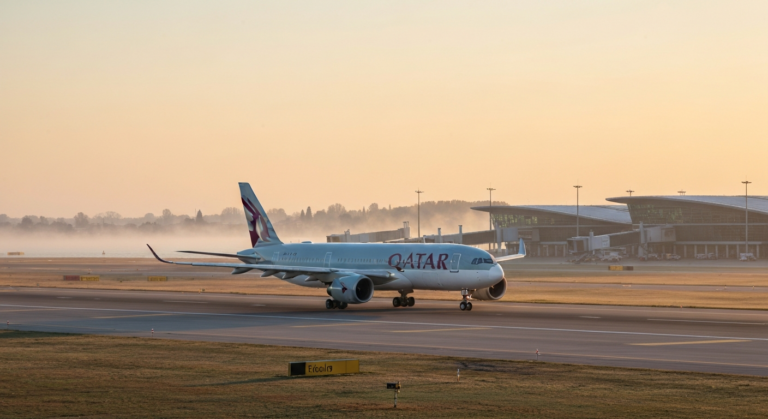

Airlines Shift Global Schedules as Demand Changes
Summary
Airlines are adjusting global schedules as travel demand continues to evolve in 2026, shifting how routes, frequencies, and connections are planned across major hubs. These changes reflect a move toward more flexible, data-driven operations that are quietly reshaping how travelers move between regions.
What Happened
Airlines around the world are refining their route networks to reflect changing travel behavior, particularly as demand spreads more evenly across seasons and destinations. Instead of focusing heavily on traditional peak travel periods, carriers are introducing more flexible scheduling models that allow them to respond quickly to fluctuations in passenger demand.
Several major airlines have begun adjusting flight frequencies on long-haul routes, increasing service to emerging destinations while reducing capacity on routes that were previously considered high demand. This includes expanding connections between secondary cities and international hubs, which allows airlines to capture new traveler segments without relying solely on major gateway airports.
At the same time, airlines are using advanced data analytics to monitor booking patterns in real time. This allows them to adjust schedules more dynamically, including adding or reducing flights based on demand trends rather than fixed seasonal expectations. These changes are part of a broader shift toward more responsive and efficient airline operations.
Why It Matters for Travelers
For travelers, these adjustments can create both opportunities and challenges when planning trips. On one hand, expanded routes between smaller cities and international destinations may provide more convenient travel options with fewer layovers. This can reduce travel time and make international trips more accessible for travelers who do not live near major hubs.
On the other hand, shifting schedules may also result in reduced frequency on certain routes, making it more important for travelers to plan ahead. Flights that were once available daily may now operate only a few times per week, particularly on long-haul routes where airlines are optimizing capacity.
These changes also reflect a broader transformation in how airlines view demand. Instead of returning fully to pre-2020 travel patterns, the industry is adapting to a more flexible and unpredictable travel landscape. This shift is likely to continue as remote work, extended stays, and non-traditional travel patterns become more common.
What to Expect Next
Airlines are expected to continue refining their schedules as they gather more data on long-term travel trends. Industry analysts suggest that route networks will become increasingly dynamic, with airlines adjusting capacity more frequently in response to real-time demand.
Travelers may also see continued expansion of routes connecting secondary cities, particularly in regions where tourism is growing steadily. This could open new travel opportunities while reducing congestion at major international hubs.
As these changes unfold, flexibility will remain an important factor for travelers. Being open to alternative airports, travel dates, and routing options may help travelers take advantage of new opportunities within evolving airline networks.
Travel Tip
When searching for flights, consider checking nearby airports and flexible travel dates. Airlines may be introducing new routes or adjusting schedules in ways that create better options outside of traditional search results.
With global travel constantly evolving, staying informed matters. Be sure to sign up for our newsletter and follow us on social media to stay up to date on the latest travel news and industry updates.