
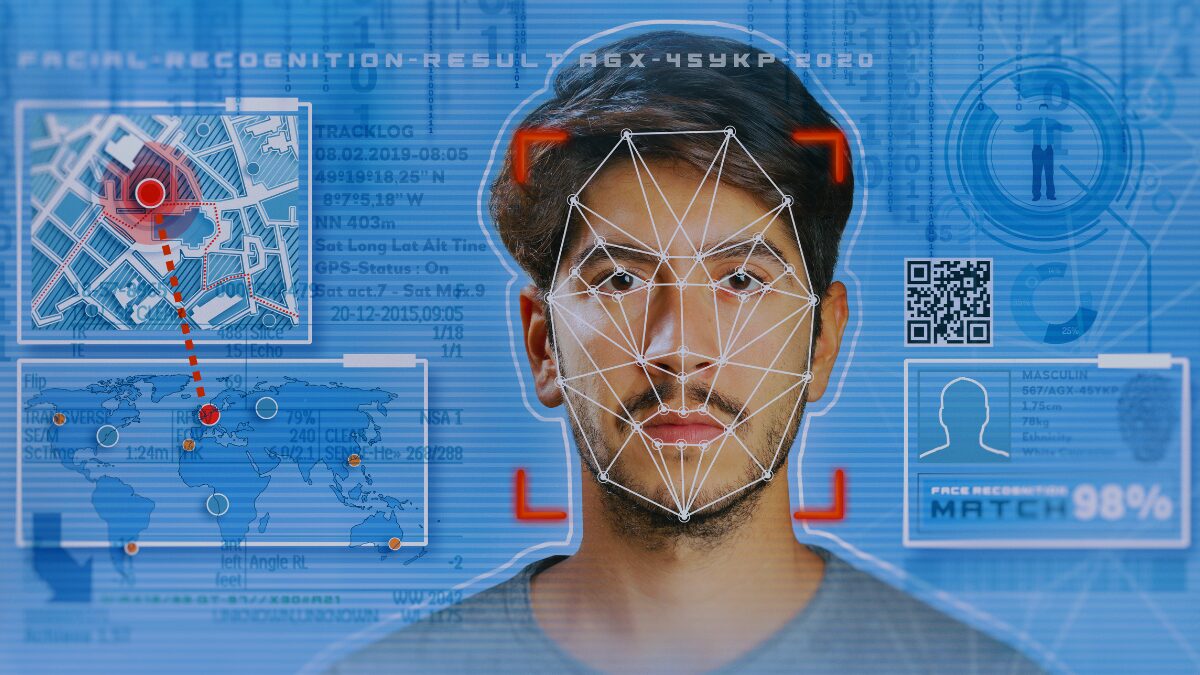
Airports Expand Biometric Screening to Speed Security
Summary
Airports are expanding biometric screening systems to improve passenger flow and reduce congestion at security checkpoints. These technologies are being introduced across major international hubs as part of broader efforts to modernize travel infrastructure.
What Happened
Airport authorities in several global hubs have begun rolling out biometric screening systems that use facial recognition and digital identity verification to process passengers more efficiently. These systems are designed to replace or supplement traditional ID checks at security and boarding points.
Airports in the United States, Europe, and parts of Asia are integrating biometric gates that allow travelers to move through checkpoints with minimal manual interaction. The technology verifies identity by matching facial scans with passport or ticket data stored in secure systems.
Airlines are also partnering with airport operators to expand the use of biometric boarding, allowing passengers to board flights without presenting physical documents. These developments are part of a broader push toward contactless travel experiences.
Why It Matters for Travelers
For travelers, biometric screening can significantly reduce wait times at busy airports, especially during peak travel periods. Faster processing at security and boarding gates can make navigating large airports more efficient and less stressful.
At the same time, the expansion of biometric systems raises questions about privacy and data security. Travelers may encounter varying policies depending on the airport or country, making it important to stay informed about how personal data is used and stored.
What to Expect Next
Airports are expected to continue expanding biometric technology as part of long-term modernization strategies. More terminals will introduce automated gates, and additional airlines will adopt biometric boarding systems across international routes.
Governments and aviation authorities are also working to standardize biometric systems to improve compatibility across different airports and regions. This could eventually create a more seamless travel experience for passengers moving between countries.
As adoption grows, travelers may see fewer manual document checks and more fully automated processes throughout the airport journey. However, traditional identification methods are likely to remain available alongside biometric options for the foreseeable future.
Travel Tip
Check your airline or airport website before departure to see if biometric screening is available and how to opt in or out.
Because global travel is constantly evolving, staying informed matters. Be sure to sign up for our newsletter and follow us on social media to stay up to date on the latest travel news and industry updates.