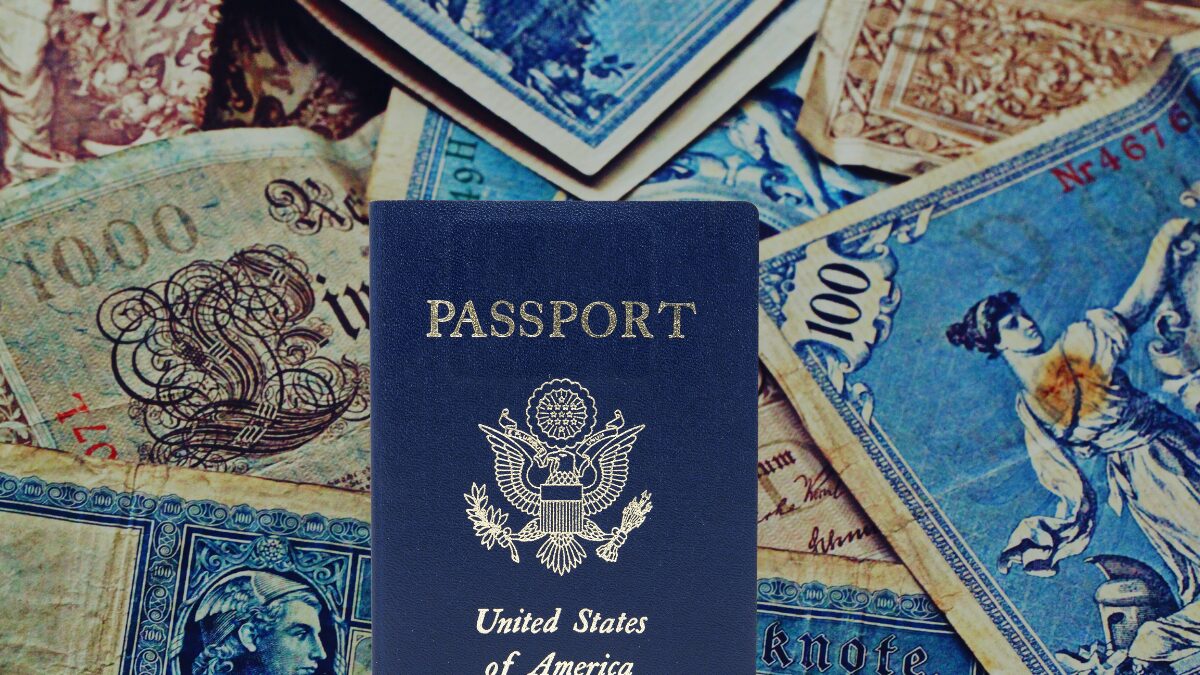
How To Set Up Your Money Before Leaving the U.S. Long-Term
Summary
If you’re planning long-term travel or a move abroad, getting your money set up before you leave the U.S. is just as important as booking flights and housing. If you skip this step, you can end up with frozen accounts, surprise fees, and no access to cash right when you need it most.
What Travelers Should Know
Most people obsess over packing lists and plane tickets, then only think about money once something goes wrong. Stories from real travelers are full of the same issues: cards getting blocked, accounts becoming inaccessible, and unexpected charges piling up—often right after landing in a new country, trying to pay for a taxi, or checking into a hotel.
U.S. banks regularly flag international activity as potential fraud. Even if you’ve used your card abroad before, a sudden change in location or spending can trigger their systems. That can mean declined cards, blocked transactions, or temporary account freezes until you confirm it’s really you. In some cases, travelers get locked out completely if they can’t receive verification texts or calls on their U.S. number.
It’s not just banks, either. Payment apps and digital wallets may also limit or freeze access when you log in from a new country, especially if their security systems see your activity as unusual. You might have money sitting in these accounts, but be unable to reach it because you can’t pass their security checks.
If you’re going abroad for months or longer, these risks grow over time. Cards expire, fraud alerts pop up, and platforms tighten security. The more you move around, the more chances there are for something to break. Preparing before you leave makes these problems much easier to avoid.
What’s Driving the Shift
Several trends are making financial prep more important than ever. Fraud detection tools have become more aggressive, which helps protect you—but also means more legitimate purchases get flagged. Banks and other financial institutions are leaning heavily toward security-first, even when it inconveniences customers.
At the same time, international travel is more common, and travelers are hopping between countries, currencies, and payment methods. This constant movement can look suspicious to automated systems.
The rise of digital nomads has added another layer. Traditional banking wasn’t built for people who live in multiple countries, work online, and get paid in different currencies. Because of this, many travelers are turning to newer tools like multi-currency accounts and international banking apps to keep their money accessible and flexible on the road.
How to Prepare Before You Leave
Start by letting your banks and card issuers know about your travel plans. Some no longer require formal travel notices, but it still helps to tell them where you’ll be and confirm that your cards will work abroad without extra restrictions.
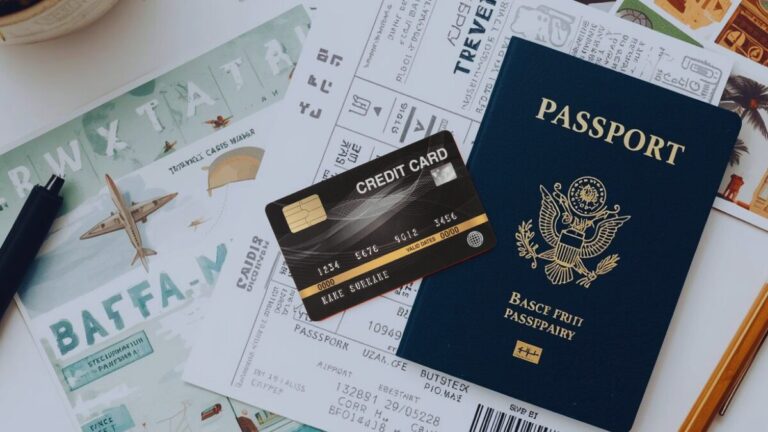
Next, set up more than one way to pay. Relying on a single card or account is risky. Aim for at least two credit cards and one debit card, plus a backup account. Whenever possible, spread these across different banks so that if one institution has an issue, you’re not completely cut off.
Make sure you’ll actually be able to log in to your accounts from overseas. That often means switching from text-message verification to an authenticator app or other method that doesn’t depend on a U.S. phone number. Losing access to your old SIM card or phone plan shouldn’t lock you out of your money.
Check card expiration dates before you go and replace anything that might expire while you’re away. Getting a new card shipped internationally can be slow, difficult, or even impossible, especially if extra identity checks are required.
It’s also worth looking into travel insurance that covers theft, loss, and emergency expenses. Insurance isn’t a substitute for good financial planning, but it can be a helpful backup when something unexpected happens.
Common Financial Mistakes Travelers Make
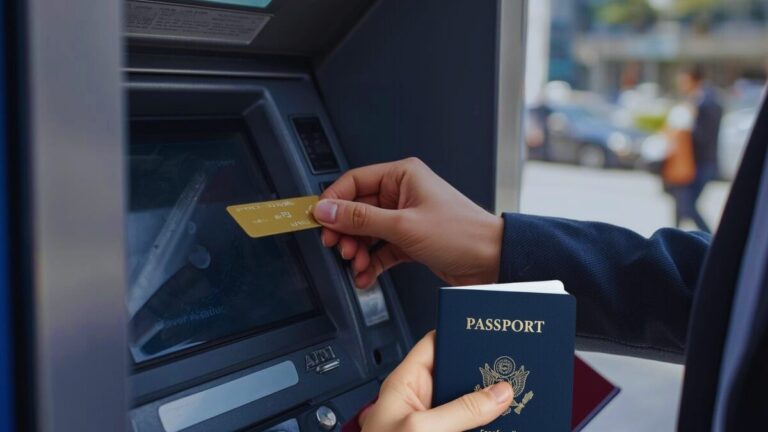
A big mistake is assuming your cards will work everywhere. In many places, especially for local transport, markets, and smaller businesses, cash is still king. Travelers who only rely on cards can find themselves stuck when they need to pay for basic things like food or a ride.
Another common issue is using cards that charge foreign transaction fees on every purchase. Over weeks or months, those fees add up quickly. Many people don’t realize how much they’re paying until they look through their statements later.
Currency conversion can trip people up too. When you’re given the option to pay in your home currency instead of the local one, it often seems easier—but it usually comes with a worse exchange rate. Over time, that choice quietly costs you more.
Some travelers also head abroad without any real emergency fund. But situations like denied entry, medical needs, missed connections, or last-minute accommodation changes can require immediate access to extra cash. Without a backup, these situations become much more stressful.
Digital Security and Access Abroad
Another piece many people overlook is how they access their financial accounts online. Logging into banking apps or financial sites on public Wi‑Fi—like at airports, cafés, or hostels—exposes you to extra risk. Whenever possible, use secure connections, avoid handling sensitive transactions on open networks, or consider using a VPN.
You should also be cautious about payment requests while you’re traveling. Scams often target tourists with urgent-sounding requests through unfamiliar apps, wire transfers, or crypto. They may look legitimate at first, but are designed to take advantage of people who don’t know the local systems.
Before you leave, create digital backups of important documents, like your passport, travel insurance, and your bank’s emergency contact information. Store them in a secure, encrypted cloud service or a password-protected vault so you can reach them if your physical documents are lost or stolen.
If you trust someone back home, consider giving them a way to help in a real emergency. That might mean explaining where your documents are stored and how to access them if you can’t, using a secure, password-protected app or folder so your information stays private but still reachable.
What to Expect Next
Financial tools for travelers are improving. More banks now offer products specifically designed for international use, with lower or no foreign transaction fees and better access to global ATMs. Digital banking platforms are also getting better at showing real-time spending and transparent exchange rates.
At the same time, security will keep getting tighter. You can expect more checks, more alerts, and more verification steps as fraud prevention systems grow more advanced. That means preparation will stay essential for anyone spending extended time abroad.
For long-term travelers, managing money across borders is becoming easier, but it still isn’t completely effortless. The people who plan ahead—by diversifying their payment methods, securing their logins, and understanding their bank’s rules—tend to have far fewer money headaches on the road.
With that said, protect your money while you travel. Sign up for our newsletter and follow us on social media for practical tips on banking abroad, avoiding unnecessary fees, and getting more out of your travel budget.