Allegiant Air Bolsters Leisure Focus with Sun Country Merger
Allegiant Air is solidifying its unique position in the U.S. leisure travel market through a recent merger with Sun Country Airlines and a strategic transition to a more efficient Boeing 737 MAX fleet.
What Happened
Under CEO Gregory Anderson, Allegiant has consistently prioritized a distinctive low-cost model centered on flexibility and profitability. The airline operates with low aircraft utilization, averaging six to eight hours daily, significantly increasing capacity during peak travel periods like spring break, summer, and holidays, and scaling back during off-peak times. This strategic approach, combined with owning its aircraft rather than leasing, allows for a lower fixed cost structure and greater agility in responding to market demands.
A major development for the airline group was the 2026 acquisition of Sun Country Airlines, a move that created a substantial leisure-focused entity. This merger was driven by highly complementary route networks and similar business philosophies, expanding Allegiant’s reach while integrating Sun Country’s robust cargo and charter operations, which provide stable, fuel-agnostic revenue streams. The combined entity aims to offer an even stronger presence in the U.S. leisure travel market.
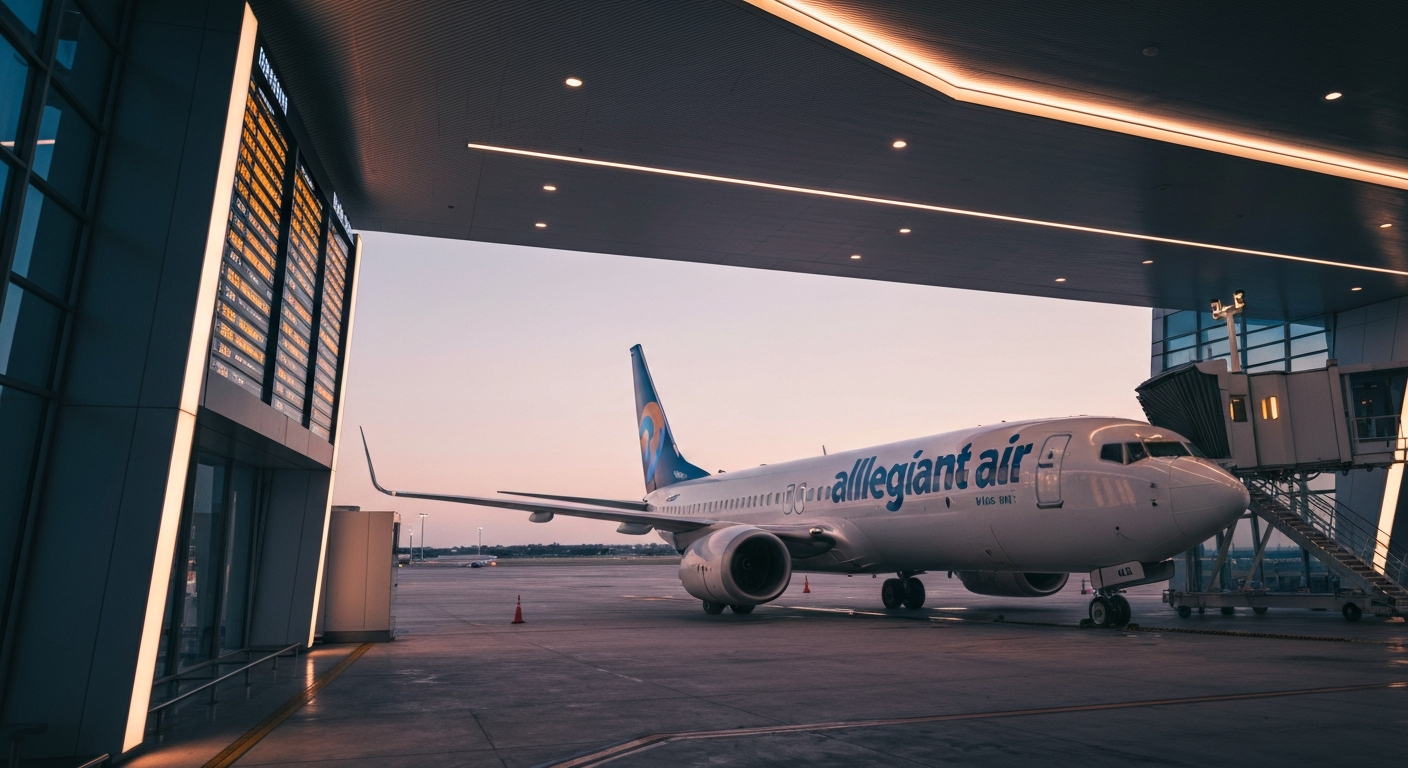
Further enhancing its operational efficiency, Allegiant is undergoing a significant fleet transformation, transitioning from an all-Airbus fleet to incorporating the Boeing 737 MAX. The new MAX aircraft are approximately 20% more fuel-efficient than the older A320ceo series, a critical factor for managing rising fuel costs. By 2028, over 50% of Allegiant’s available seat miles are projected to be produced by MAX aircraft, offering a structural advantage in operational expenses without significantly increasing ownership costs.
Why It Matters for Travelers
For travelers, Allegiant’s strategic maneuvers could translate into enhanced options for leisure destinations, particularly within underserved communities where the airline often remains the sole non-stop provider. The merger with Sun Country may broaden the combined route network, potentially offering more direct connections to popular vacation spots from a wider array of smaller U.S. airports.
The fleet transition to the more fuel-efficient Boeing 737 MAX could contribute to more stable pricing, especially during periods of volatile fuel costs, which is beneficial for budget-conscious leisure travelers. Additionally, Allegiant’s focus on its ‘Allegiant Extra’ premium product, offering extra legroom, reflects a broader industry trend of meeting evolving passenger demands for enhanced comfort and personalized experiences, even within a low-cost framework.
What to Expect Next
Looking ahead, travelers can anticipate Allegiant Air and Sun Country Airlines to reinforce their position as leading leisure carriers in the U.S. The airline group is investing in technology transformations aimed at improving customer communication and booking experiences. Future enhancements like in-flight Wi-Fi and stronger loyalty programs are also on the horizon, adapting to the preferences of younger generations who prioritize experiential travel.
With global travel constantly evolving, staying informed matters. Be sure to sign up for our newsletter and follow us on social media to stay up to date on the latest travel news and industry updates.