Collins Aerospace Invests Millions to Modernize US Airspace System
Summary
Collins Aerospace is investing $26.5 million into its Largo, Florida facility to significantly accelerate the production of advanced commercial aviation radars and multi-domain defense security solutions. This substantial financial commitment directly supports the Federal Aviation Administration’s (FAA) critical efforts to modernize the US National Airspace System, promising enhanced air traffic management capabilities.
What Happened
On May 11, 2025, Collins Aerospace’s parent company, RTX, publicly announced a significant $26.5 million investment specifically designated for the Largo, Florida facility. This substantial funding is allocated to rapidly expand the manufacturing capacity for crucial commercial aviation radars and various multi-domain defense security components.
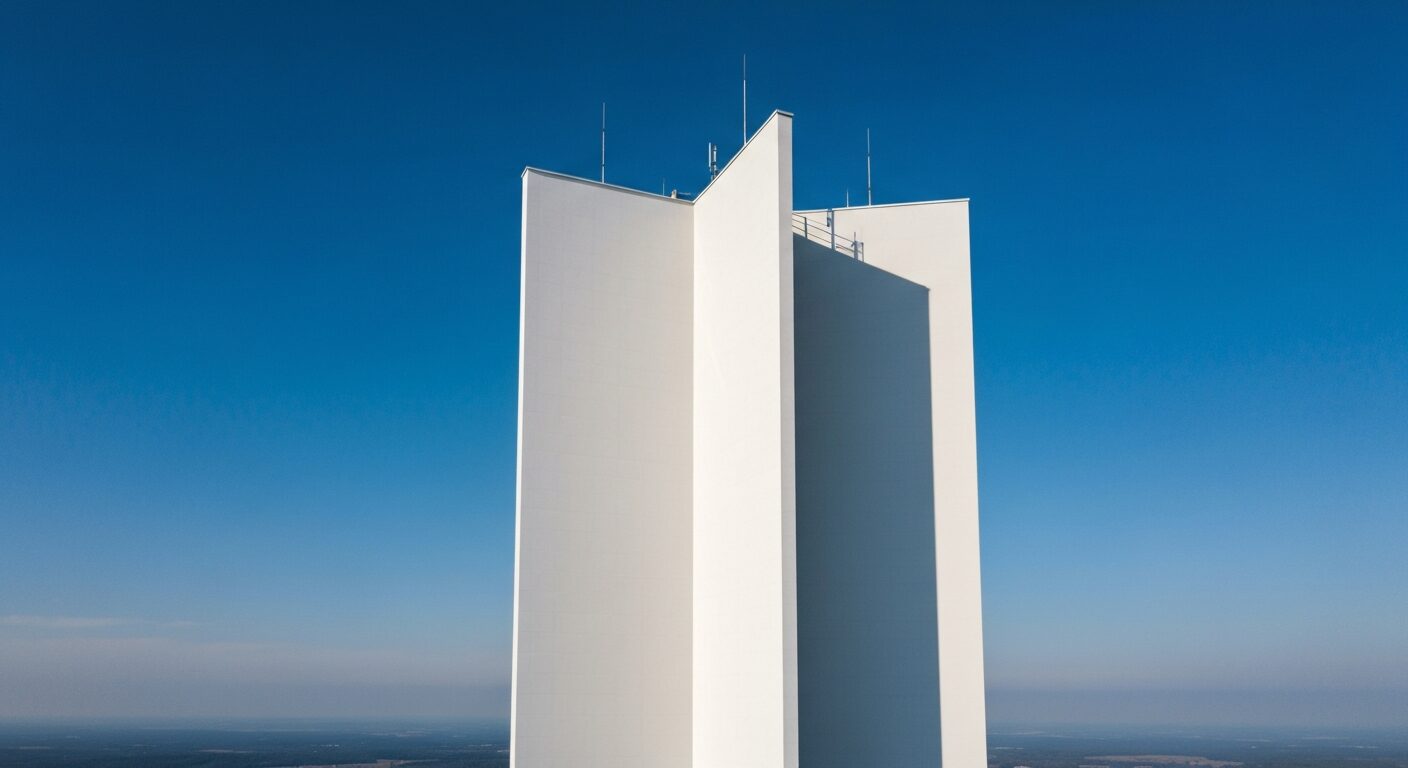
A core focus of this accelerated production includes two advanced radar systems: the Condor Mk3 and the ASR-XM. The Condor Mk3 is a cooperative surveillance radar designed to communicate directly with aircraft transponders, while the ASR-XM is a non-cooperative radar capable of detecting aircraft via reflected signals. These sophisticated technologies are fundamental components of the FAA’s ongoing Radar System Replacement Program, which serves as a vital cornerstone for the comprehensive evolution of the National Airspace System. This expansion is also projected to generate over 100 new, highly skilled jobs across engineering and factory operations disciplines within the Florida region.
Why It Matters for Travelers
For air travelers throughout the United States, this significant investment by Collins Aerospace represents a concrete step towards dramatically enhanced air traffic management and improved flight safety. Modernized radar systems facilitate far more precise aircraft tracking, thereby substantially reducing the risk of mid-air incidents and improving overall airspace efficiency and operational flow.
Increased radar capabilities mean a significant reduction in delays that are often attributable to outdated or less reliable technology, alongside the provision of superior real-time data for air traffic controllers. This translates directly into smoother operations during peak travel periods and in challenging weather conditions, ultimately culminating in a more dependable, less stressful, and safer travel experience for all airline passengers. These technological advancements are foundational to ensuring the integrity and responsiveness of the national aviation infrastructure.
What to Expect Next
The new, dedicated radar production area at Collins Aerospace’s Largo facility is slated to become fully operational by late 2026, marking a pivotal milestone in this modernization initiative. Travelers should anticipate a gradual and deliberate integration of these sophisticated radar systems into the broader US National Airspace System over the ensuing years. This phased implementation will progressively lead to a significantly more robust, resilient, and responsive air traffic control environment across the nation.
This modernization effort represents a long-term strategic commitment designed to continuously evolve and enhance the critical infrastructure that supports daily flights. As these advanced systems are brought fully online and integrated, they are expected to contribute substantially to a demonstrably safer, more efficient, and ultimately more predictable air travel experience for everyone flying within the United States.
With global travel constantly evolving, staying informed matters. Be sure to sign up for our newsletter and follow us on social media to stay up to date on the latest travel news and industry updates.