
South Africa Advances High-Speed Rail Study for Major Corridor
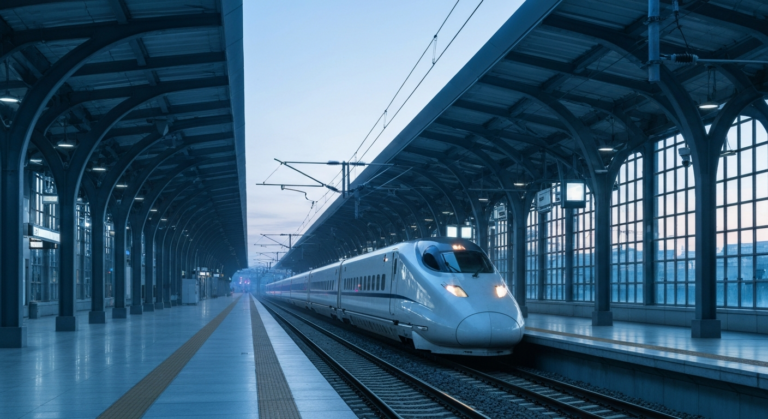
South Africa has announced a significant step forward for its proposed high-speed rail link between Gauteng and Limpopo, initiating a crucial feasibility study for the ambitious project. This development marks a pivotal moment for regional connectivity and potentially transforms future travel within the country.
What Happened
The Department of Community Safety and Transport Management in Limpopo has officially invited bids for feasibility study services concerning the planned high-speed rail (HSR) corridor. This initial phase is critical for assessing the technical, economic, and environmental viability of constructing a high-speed railway connecting the bustling economic hub of Gauteng with the northern province of Limpopo. The study will delve into various aspects, including route alignment, estimated costs, projected passenger demand, and potential socio-economic impacts.
This move underscores South Africa’s commitment to modernizing its transportation infrastructure and exploring advanced rail solutions. High-speed rail initiatives globally are often seen as catalysts for regional development, offering faster, more efficient travel options while potentially reducing road congestion and carbon emissions. The successful completion of this feasibility study is the necessary precursor to any further development or investment in the multi-billion-rand project.
The scope of the study is comprehensive, designed to provide a detailed roadmap for decision-makers. It will consider engineering challenges, land acquisition requirements, and the integration of the new line into existing transport networks. Such a thorough evaluation ensures that any future construction would be based on robust data and strategic planning, aligning with long-term national development goals.
Why It Matters for Travelers
For travelers, particularly those exploring South Africa’s diverse landscapes and vibrant cities, the prospect of a high-speed rail link could dramatically reshape travel experiences. Currently, journeys between Gauteng (home to Johannesburg and Pretoria) and Limpopo often involve long road trips or domestic flights. An HSR service would drastically cut travel times, making regions like Limpopo, known for its rich cultural heritage and proximity to wildlife reserves, more accessible for both domestic and international visitors.
Imagine seamless, rapid connections between major urban centers and popular tourist destinations. This would not only enhance convenience but also potentially open up new travel itineraries, allowing visitors to combine business in Gauteng with leisure in Limpopo more easily. The project could also stimulate tourism in lesser-explored areas along the route, fostering local economies and providing fresh opportunities for unique travel experiences. Furthermore, it offers a more sustainable travel option for those conscious of their environmental footprint.
What to Expect Next
Travelers should anticipate a period of detailed assessment and planning as the feasibility study progresses over the coming months. While the actual construction of a high-speed rail line is a long-term endeavor, the successful completion of this study will bring the vision closer to reality. Future updates will likely focus on the findings of the study, potential funding models, and a more concrete timeline for the project’s various phases.
It is important to remember that such large-scale infrastructure projects require significant investment and time, so immediate changes to travel options are not expected. However, this initial step lays the groundwork for a future where high-speed rail could become a transformative mode of transport in South Africa, promising faster, more comfortable, and integrated travel across key regions.
With global travel constantly evolving, staying informed matters. Be sure to sign up for our newsletter and follow us on social media to stay up to date on the latest travel news and industry updates.