Santiago Metro Contactless Payments Soar Past 5.5 Million Transactions
Summary
Santiago Metro’s “Fast Payment” contactless EMV system has successfully processed over 5.5 million transactions since its launch. This rapid adoption signifies a major step forward in modernizing urban public transport within Chile, enhancing convenience for daily commuters and visitors.
What Happened
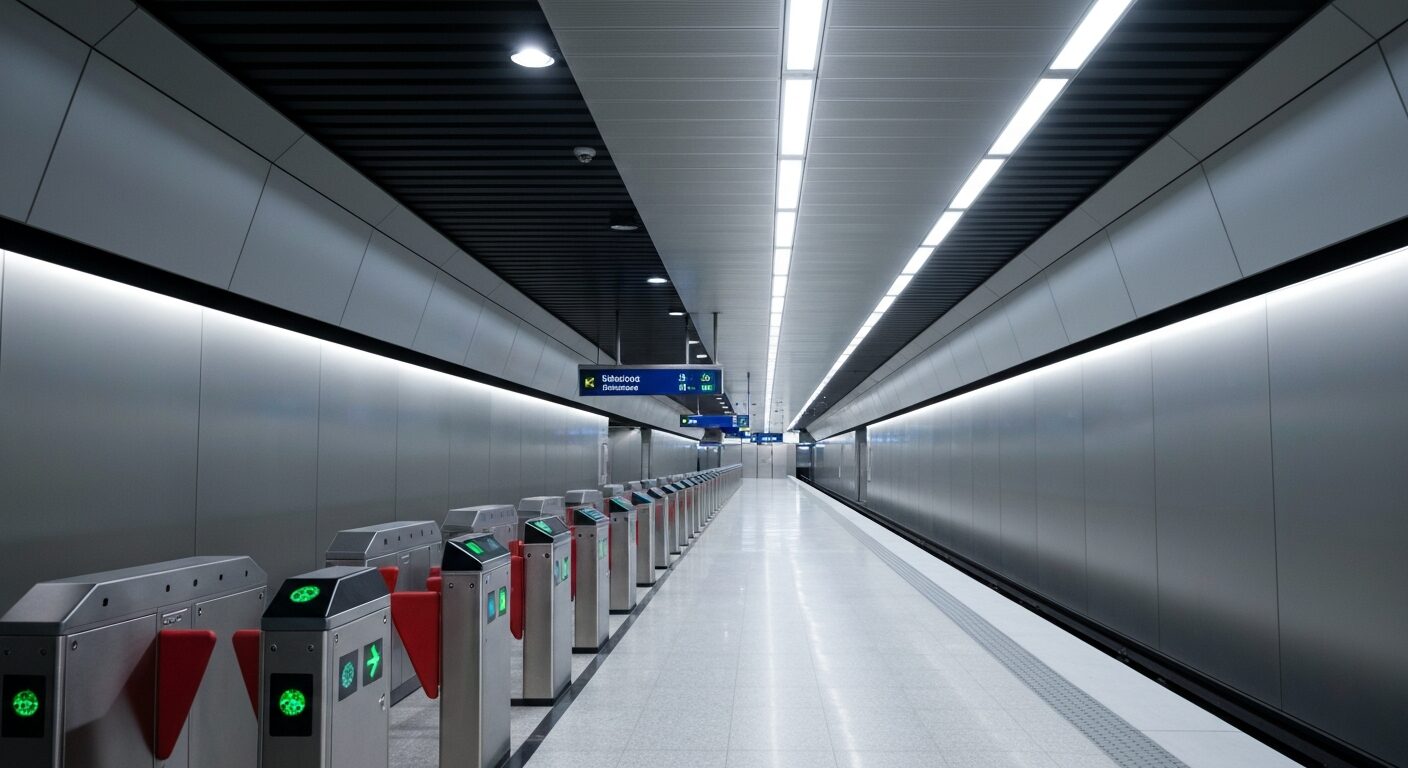
The Metro de Santiago network, alongside the Nos–Estación Central suburban rail service, has seen remarkable success with its new contactless EMV payment system, branded as “Fast Payment.” This innovative solution has now exceeded 5.5 million transactions, indicating strong user adoption across the capital’s extensive public transportation network and underscoring a shift towards digital convenience. This initiative allows passengers to use standard bank cards or compatible mobile devices directly at turnstiles, eliminating the previous requirement for a dedicated transport card.
Data reveals that specific stations, including Tobalaba, Manquehue, and Los Leones, have recorded the highest volumes of bank card payments. These high-traffic hubs are key interchange points, serving densely populated commercial and residential areas, thereby highlighting the system’s significant impact in the busiest parts of the city. The seamless integration of contactless technology positions Santiago as a frontrunner in digitalizing urban mobility solutions within Latin America, setting a new benchmark for regional transit systems.
Why It Matters for Travelers
For travelers visiting Santiago, the “Fast Payment” system significantly simplifies public transportation use, offering a more convenient and universally understood payment method. International visitors can now easily tap their credit or debit cards, or even their smartphones, directly at fare gates, completely bypassing the need to acquire a local transport card. This substantially reduces friction at ticket counters and streamlines the entire journey, which is especially beneficial for those unfamiliar with the local fare system and currency.
This modernization also greatly enhances overall travel efficiency, actively minimizing delays at stations and improving passenger flow during peak hours. Tourists and business travelers alike benefit from a more intuitive and quicker way to navigate the city, allowing for more precious time exploring Santiago’s attractions rather than deciphering complex ticketing processes. The widespread acceptance of standard bank cards provides a familiar and secure payment experience, mirroring advanced systems found in many major global cities.
What to Expect Next
The resounding success of “Fast Payment” is expected to encourage further integration of similar digital solutions across Chile’s broader public transport infrastructure. Santiago Metro will likely continue to optimize the system, potentially expanding its capabilities to include additional digital wallet options or integrating new fare structures. This ongoing digital transformation aims to solidify the city’s reputation for offering efficient, accessible, and technologically advanced urban mobility.
Travelers can anticipate a continued strong focus on user-friendly technology within Santiago’s transit system, potentially leading to enhanced real-time travel information and more personalized journey planning tools. As an increasing number of passengers adopt contactless payments, the overall efficiency, reliability, and ease of use of the entire network are set to improve further. This positive trend strongly reinforces Santiago’s commitment to modern, sustainable, and traveler-friendly urban development.
With global travel constantly evolving, staying informed matters. Be sure to sign up for our newsletter and follow us on social media to stay up to date on the latest travel news and industry updates.