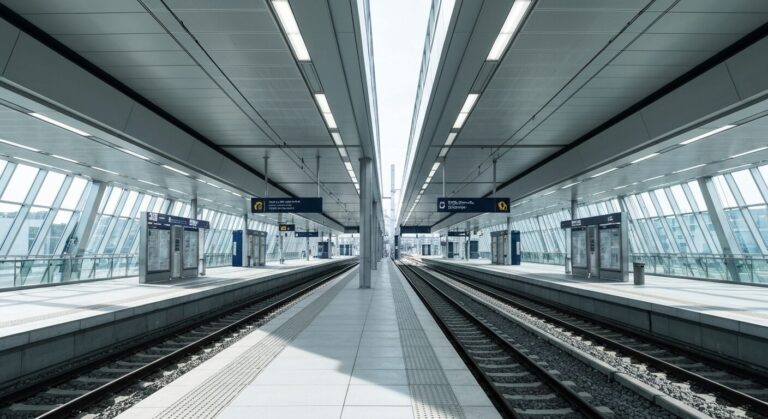

Moldova Targets Faster Rail Travel with New Electrification Project
Summary
Moldova is launching a significant railway electrification project aimed at modernizing its national train network and boosting connectivity. This ambitious initiative will enable trains to achieve speeds of up to 140 km/h, dramatically improving travel times and regional efficiency by 2030.
What Happened
The Moldovan Railway (CFM) has embarked on a comprehensive infrastructure upgrade program to electrify its primary rail lines. This ambitious project represents a pivotal step in transforming the country’s transportation landscape, aligning its railway system with modern European standards.
The electrification process involves converting existing diesel-powered routes to electric operation, enabling faster, more efficient, and environmentally sustainable train services. This transition is crucial for reducing operational costs and lowering carbon emissions across the network.
Initial phases of the project will focus on key corridors, with the first electrified lines targeted for completion by 2030. This timeline marks a critical milestone in Moldova’s long-term national development and integration into broader European infrastructure initiatives.
Funding for this extensive modernization comes from various international partners and national investment, underscoring the strategic importance of reliable and fast rail links. The project aims to enhance both passenger and freight transport capabilities significantly.
Why It Matters for Travelers
For travelers, the electrification of Moldova’s railways promises a considerably improved and more appealing journey experience. The ability for trains to reach speeds of up to 140 km/h will drastically reduce travel times between major Moldovan cities and facilitate quicker cross-border connections.
This modernization could lead to the introduction of more frequent services, new routes, and an overall enhancement in onboard comfort and amenities. The increased efficiency makes rail travel a more competitive and attractive option compared to other modes of transport.
Furthermore, improved rail links could open up new tourism opportunities by making previously less accessible regions more reachable for both domestic and international visitors. The shift to electric trains also aligns with a growing traveler preference for sustainable and eco-friendly transportation choices.
Travelers can expect a smoother, quieter, and generally more pleasant journey environment as the new electric trains are deployed. This upgrade addresses long-standing needs for modernizing Moldova’s public transport infrastructure.
What to Expect Next
Travelers can anticipate the gradual introduction of electric train services on key Moldovan routes over the coming years, with full implementation expected by 2030. These infrastructure upgrades will likely be accompanied by new schedules and potentially modern rolling stock.
It is highly advisable for those planning future rail travel to Moldova to closely monitor official Moldovan Railway announcements for updated routes, estimated travel times, and any service changes. This will ensure travelers have the most current information for their journeys.
The ongoing development will significantly reshape regional transit, offering a more integrated and efficient travel network throughout Moldova and its connections to Europe. This long-term investment signals a commitment to enhancing the traveler experience and national connectivity.
Potential partnership announcements with neighboring railway operators could also emerge, further extending the reach and convenience of Moldovan rail travel. The project’s progress will be a key indicator for future regional mobility.
With global travel constantly evolving, staying informed matters. Be sure to sign up for our newsletter and follow us on social media to stay up to date on the latest travel news and industry updates.