
Bombardier Global 8000 Sets New Speed Benchmark
The aviation industry continues to redefine possibilities for high-speed, long-range travel, pushing the boundaries with advanced aircraft designs. A new generation of ultra-fast business jets is setting remarkable benchmarks, promising swifter global connections for discerning travelers.
What Happened
The recently introduced Bombardier Global 8000 has claimed the title of the fastest purpose-built private jet, achieving an impressive top speed of Mach 0.95. This groundbreaking aircraft also boasts a remarkable range of 8,000 nautical miles, solidifying its position as the quickest civilian jet since the legendary Concorde. Its entry into service marks a significant leap in aviation engineering, designed to offer unparalleled velocity for transcontinental journeys without compromising comfort.
Following closely in terms of sheer speed are Gulfstream’s G700 and G800 models, both capable of Mach 0.935, illustrating intense competition within the high-performance business jet sector. These meticulously engineered aircraft combine advanced aerodynamic designs with powerful Rolls-Royce Pearl 700 engines, delivering not only rapid transit but also exceptional long-range capabilities. Gulfstream aircraft have consistently set new city-pair speed records during extensive flight testing and initial operational service, underscoring their robust performance.
This collective industry push for faster, more efficient long-haul flight is driven by a persistent demand for reduced travel times and enhanced global connectivity. Beyond the top contenders, other impressive machines like the Cessna Citation X+ and Bombardier Global 7500 continue to feature prominently, all capable of speeds exceeding Mach 0.9. Manufacturers are relentlessly optimizing engine performance, airframe design, and material science to achieve these remarkable transit capabilities while ensuring passenger safety and operational reliability.
Why It Matters for Travelers
While these advanced jets primarily serve the luxury and executive travel segments, their innovations often signal broader advancements across the aviation industry. For high-net-worth individuals and corporate travelers, these developments translate directly into unprecedented time savings on long international routes, facilitating more efficient business schedules or maximizing valuable personal time. The capability to traverse vast distances more quickly means less time spent in transit and significantly more time at the desired destination, offering a tangible advantage.
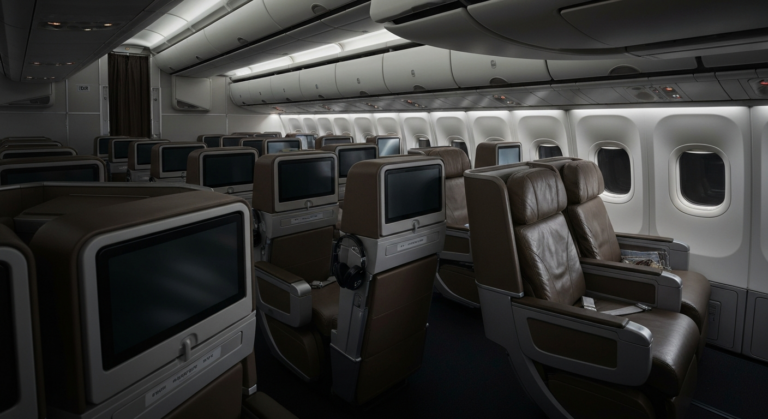
Moreover, the focus on ultra-long-range performance is increasingly coupled with an emphasis on the passenger experience. Features like Bombardier’s "Pũr Air" system and the Global 8000’s best-in-class cabin altitude of 2,900 feet significantly mitigate the effects of jet lag and enhance overall well-being during flight. Spacious, highly customizable interiors with advanced environmental controls, mood lighting, and cutting-edge connectivity ensure a tranquil and productive journey, transforming extensive global travel into a more comfortable and less fatiguing experience.
What to Expect Next
The ongoing pursuit of speed and luxury in private air travel shows no signs of abating. Dassault Aviation, for instance, is currently developing its Falcon 10X, which is anticipated to feature even larger windows and an impressive top speed of Mach 0.925 upon its expected delivery in 2027. This continuous innovation across leading manufacturers ensures that future generations of aircraft will offer even greater comfort, speed, and connectivity for global travelers.
With global travel constantly evolving, staying informed matters. Be sure to sign up for our newsletter and follow us on social media to stay up to date on the latest travel news and industry updates.