Airports Prioritize Calm to Boost Passenger Revenue Growth
Summary
Airports are strategically shifting focus from traditional retail optimization to prioritizing passenger well-being as a primary driver for non-aeronautical revenue. This emerging strategy, dubbed “calm commerce,” recognizes that creating serene and less stressful environments directly enhances commercial success and overall traveler satisfaction.
What Happened
Globally, airports are grappling with a paradox: despite recovering passenger volumes and significant commercial investments, the growth in non-aeronautical revenue per passenger has not kept pace. This indicates a saturation point for traditional retail-centric models and a need for innovative approaches to capture traveler spending effectively.
Industry insights now highlight that passenger emotions and their overall state of mind significantly influence purchasing behavior within the airport environment. A stressed or anxious traveler is less likely to engage with retail, dining, or premium services compared to one who feels calm and comfortable.
Consequently, airports are beginning to re-evaluate their operational strategies, investing in design elements, enhanced amenities, and more streamlined processes aimed at fostering a sense of tranquility. This holistic approach prioritizes the passenger journey from arrival to departure, recognizing that comfort translates directly into commercial advantage.
Why It Matters for Travelers
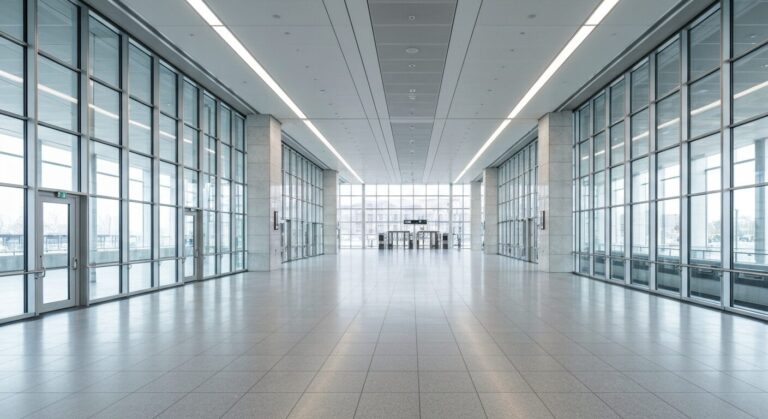
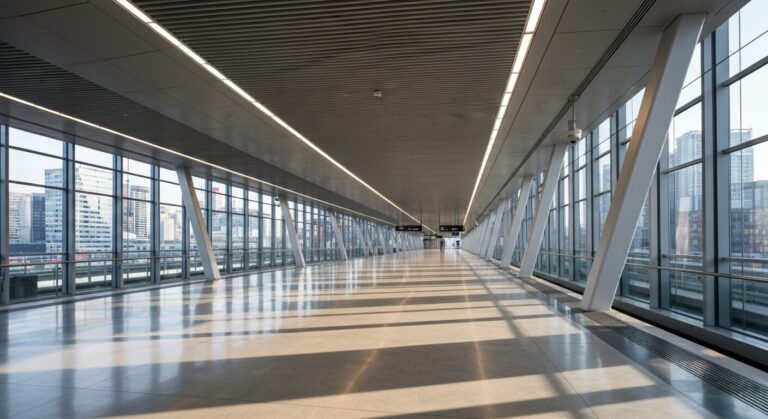
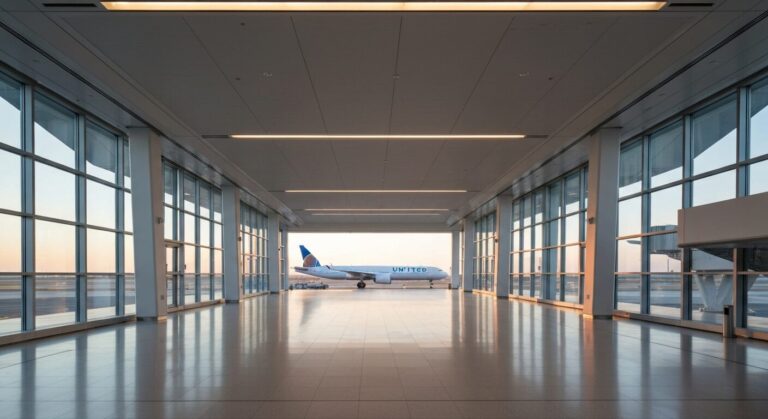
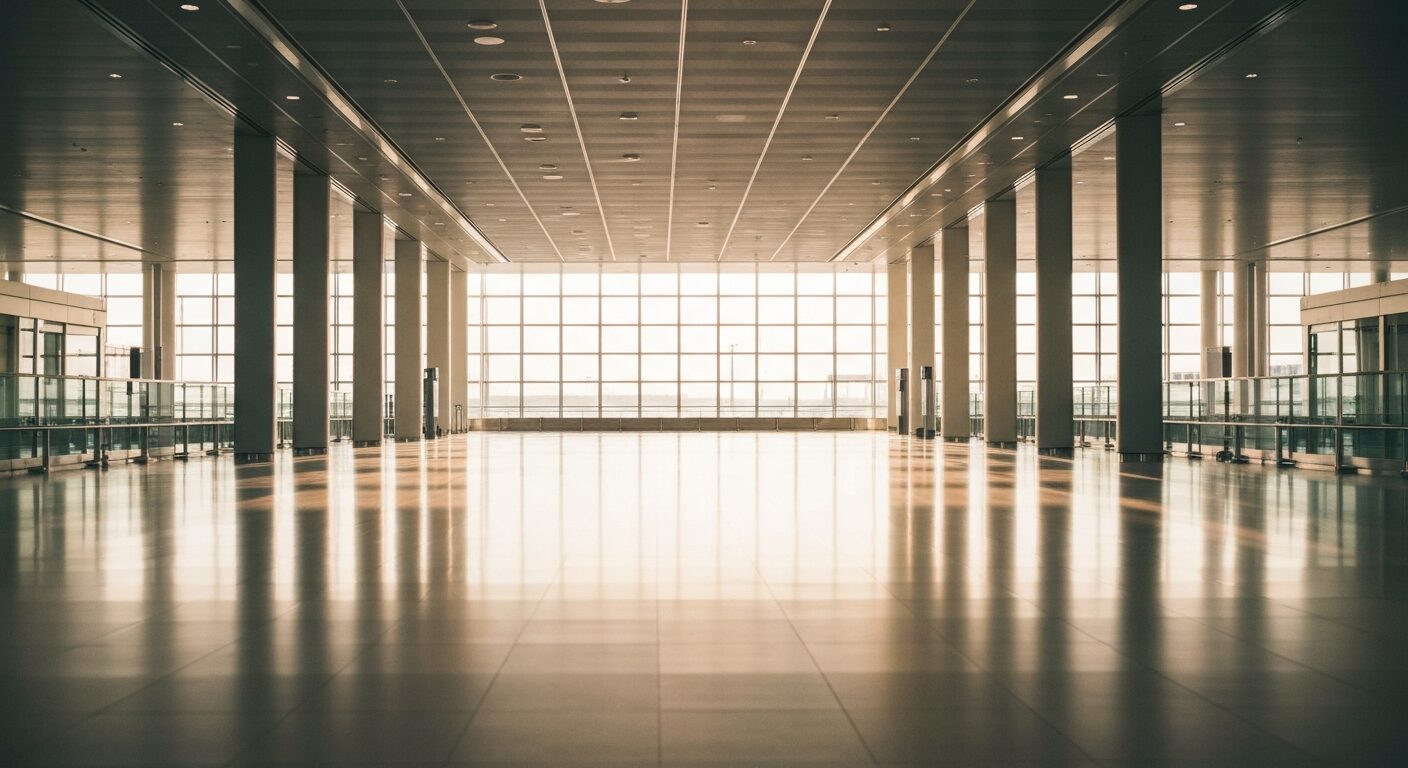
For travelers, this fundamental shift promises a profoundly improved airport experience, transforming what can often be a source of stress into a more pleasant part of their journey. Passengers can anticipate environments designed for relaxation, with better noise management, more natural light, and ample comfortable seating options.
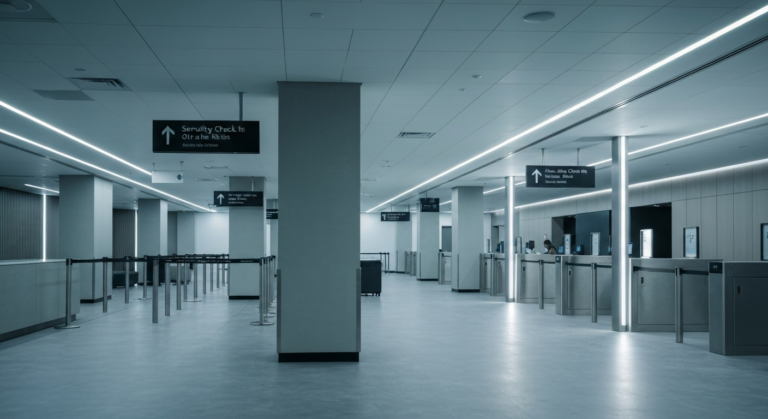
Reduced anxiety and a calmer atmosphere will allow travelers to navigate the airport more efficiently and enjoy the facilities without feeling rushed or overwhelmed. This includes more intuitive wayfinding systems and potentially faster, less intrusive security checkpoints, contributing to a seamless transit experience.
Furthermore, a more relaxed traveler is more inclined to explore and utilize the array of services available, from gourmet dining to wellness facilities and boutique shopping. This enhanced engagement benefits both the passenger, through better choices, and the airport, by increasing dwell time and commercial yields.
What to Expect Next
Travelers should anticipate a widespread adoption of these “calm commerce” principles across major global hubs and smaller regional airports alike in the coming years. This will manifest in continued infrastructure investments focused on improving passenger flow, aesthetic appeal, and comfort-enhancing technologies.
Future airport designs will increasingly integrate elements like green spaces, quiet zones, and advanced digital solutions that personalize and simplify the passenger journey. We can expect innovations in everything from baggage handling to boarding processes, all with a strong emphasis on reducing friction and stress.
This evolving philosophy aims to redefine the airport from a mere transit point into an integral and enjoyable part of the overall travel experience, ultimately creating a more positive impression of air travel. By prioritizing emotional well-being, airports are building a sustainable model for revenue growth that is deeply rooted in customer satisfaction.
With global travel constantly evolving, staying informed matters. Be sure to sign up for our newsletter and follow us on social media to stay up to date on the latest travel news and industry updates.