Travelers Who Are Good With Money Skip These Purchases
Summary
Travelers who handle money well don’t just hunt for deals — they consistently avoid certain common purchases that quietly drain budgets and add stress to trips. By skipping a few tempting but costly habits, they buy themselves more freedom, flexibility, and room for the experiences that actually matter.
Overpriced Airport Food and Drinks
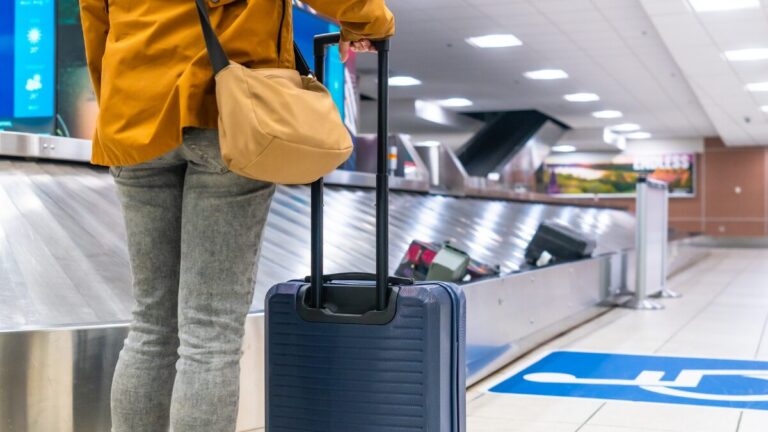
Money-savvy travelers know airport restaurants and snack stands are some of the most overpriced places on earth, so they try not to treat the terminal like a food court. Instead of sitting down for a full meal at the gate, they often eat before leaving home, bring simple snacks, or wait until they reach their destination to have a proper meal. This small habit keeps them from blowing a big chunk of their budget before the trip has even really started.
They also avoid buying bottled water at airport prices and rely on refillable bottles wherever security rules allow. Filling up at fountains or lounge stations has the double benefit of saving money and cutting down on plastic waste during the journey. Over multiple trips, this one change adds up to serious savings without feeling like a sacrifice.
Pricey Currency Exchange Kiosks
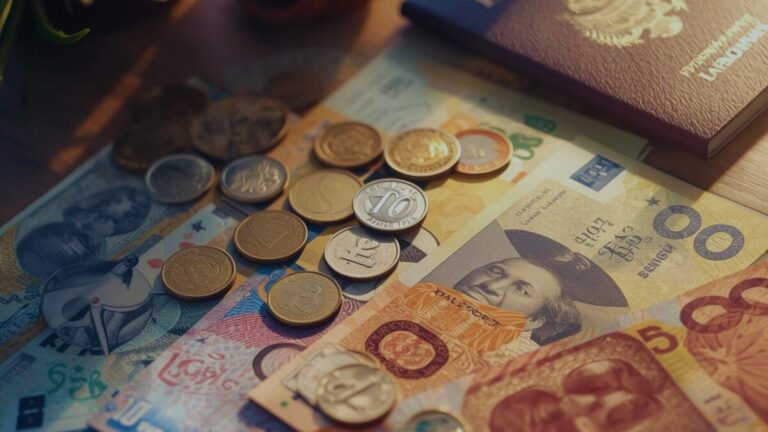
Travelers who are good with money almost never exchange large amounts of cash at airport currency kiosks. The rates are often poor and the fees are quietly tucked into that “convenience” factor, turning a simple exchange into an unnecessary expense. Instead, they rely on fee-friendly debit cards, local ATMs with better rates, or bank-supported digital tools to get foreign currency at more favorable terms.
When they do need cash on arrival, they typically withdraw a modest amount instead of a huge sum. This keeps them from carrying more cash than they need while still having enough for immediate expenses like transportation or snacks. Planning ahead like this lets them step into a new country without stepping straight into bad financial decisions.
Tourist-Trap Souvenirs
Money-smart travelers are careful about what they bring home, especially when it comes to souvenirs that are designed for impulse buying. They know many items near top attractions are mass-produced, overpriced, and likely to end up forgotten at the back of a closet. Instead of loading up on logo mugs and generic T-shirts, they focus on fewer, more meaningful items that actually reflect the place they visited.
They also recognize that shipping bulky souvenirs home can quickly become expensive, especially from tourist-heavy shops that add handling fees. That’s why they often prioritize small, locally made goods, or even digital keepsakes like photos, personal notes, and travel journals. By being selective instead of grabbing “one of everything,” they protect both their luggage space and their long-term budget.
All-Inclusive Convenience Markups
Travelers who manage money well don’t automatically choose all-inclusive packages just because they seem simple. They understand that bundled meals, drinks, and activities can be convenient, but also can lock you into fixed prices that may not match how you actually like to travel. If they know they’ll spend most of their time exploring local restaurants or wandering off property, they realize an expensive package might not be worth the premium.
Instead, they compare the cost of the package to a realistic estimate of what they’d spend on their own. If the numbers don’t line up, they prefer flexibility over “everything included.” That flexibility gives them room to follow their curiosity, try neighborhood spots, and adjust their plans without feeling like they need to “get their money’s worth” out of a bundle.
Dynamic Currency Conversion at Checkout
Budget-conscious travelers make a point of paying in the local currency whenever they’re given the choice. They know that selecting their home currency at card machines — the so‑called “dynamic currency conversion” option — usually comes with a worse exchange rate and extra markup. It looks friendly and familiar on the screen, but in practice it often means paying more than necessary.
Because of this, they get into the habit of slowing down at the payment screen and choosing the local currency option. Over the course of a trip, that one mindful action at every restaurant, shop, and hotel can quietly save a surprising amount of money. It’s the kind of invisible win that doesn’t change the experience, just the total on the statement later.
High-Fee ATM Withdrawals
Travelers who are careful with money don’t rely on the first ATM they see, especially if it’s a bright, independent machine in a heavily touristed area. These machines often charge higher fees and can come with poor exchange rates layered on top. Instead, they look for ATMs tied to reputable local banks, even if it means walking a few extra minutes from the main attractions.
They also minimize how often they withdraw by taking out medium-sized amounts instead of many small transactions. This way, they’re not constantly paying the same fee again and again just to get a bit of cash. Over even a short trip, this simple strategy keeps more of their money in their pocket instead of handing it over to ATM operators.
Daily Hotel Breakfast Add-Ons
Money-smart travelers think twice before adding paid hotel breakfast to their booking by default. In many cities, the daily breakfast charge is significantly higher than what they’d pay at a local café or bakery for something fresher and more interesting. They realize they’re often paying a premium for the convenience of eating in the same building every morning.
Instead, they might choose breakfast-inclusive rates only when the value clearly makes sense, like in remote areas or when leaving very early for excursions. In cities with plenty of food options, they prefer to explore nearby spots, enjoying local flavors while spending less. This way, breakfast becomes part of the experience, not just another line item on the bill.
Roaming Plans They Don’t Need
Savvy travelers avoid overpaying for international roaming plans that don’t match how they actually use their phone. They know that carriers sometimes push expensive packages with far more data than a traveler will realistically need. Rather than agreeing to the first offer, they look at alternatives like local SIM cards, eSIMs, or Wi‑Fi‑based messaging and calling.
They also turn off background data, download maps and entertainment in advance, and use Wi‑Fi strategically to keep usage low. By understanding their real needs and choosing the simplest, most cost-effective option, they stay connected without letting their phone bill eat into their trip budget. It’s less about cutting off access and more about choosing the right kind of access.
Impulse Upgrades and “Once-in-a-Lifetime” Add-ons
Travelers who are genuinely good with money don’t let every “limited-time” offer sway them. Whether it’s a last-minute seat upgrade, a room with a slightly better view, or VIP line access, they pause long enough to ask if the upgrade truly changes the experience. They realize that when everything is marketed as a “once-in-a-lifetime opportunity,” it becomes easy to overspend on things that are nice, but not necessary.
Instead of saying yes automatically, they reserve their upgrade budget for moments that genuinely matter to them. Maybe that’s a special train journey, a unique local tour, or an experience that aligns with a personal passion. By being selective with splurges, they keep their overall trip affordable while still making space for memorable highlights.
Hotel Laundry Services for Everyday Clothes
Money-conscious travelers almost never send basic laundry through hotel services unless it’s absolutely necessary. They know those per-piece charges add up quickly, turning a small load of T‑shirts and socks into a surprisingly big bill. For routine laundry, they prefer self-service laundromats, simple wash-and-fold services, or even quick sink washes for small items.
This approach helps them pack lighter without paying a premium every time they need clean clothes. It also keeps their budget focused on experiences rather than chores. Over longer trips, skipping hotel laundry for everyday clothing becomes one of the quiet ways they preserve cash for the activities they’ll actually remember.
Boxed Excursions Sold at Hotels
Smart travelers are cautious about booking tours and excursions directly through hotel desks or high-commission kiosks. While those options can be convenient, they often come with higher prices and less flexible itineraries. Instead, these travelers compare a few options first, looking at reputable local providers or direct bookings that better suit their interests and schedule.
They may read reviews, check cancellation policies, and consider whether they really need a guided experience or can explore on their own with a little research. This lets them avoid paying extra for structure they don’t necessarily need. In the end, they still get to see the highlights — just without the added markup.
Full-Price Items They Could Buy at Home
Finally, travelers who are wise with money avoid buying everyday items at tourist prices that they could easily purchase at home. Toiletries, chargers, basic clothing, and other staples tend to cost more when bought at airports, hotel gift shops, or resort stores. When they can, they bring what they need or buy it locally at non-tourist shops rather than in the most expensive places.
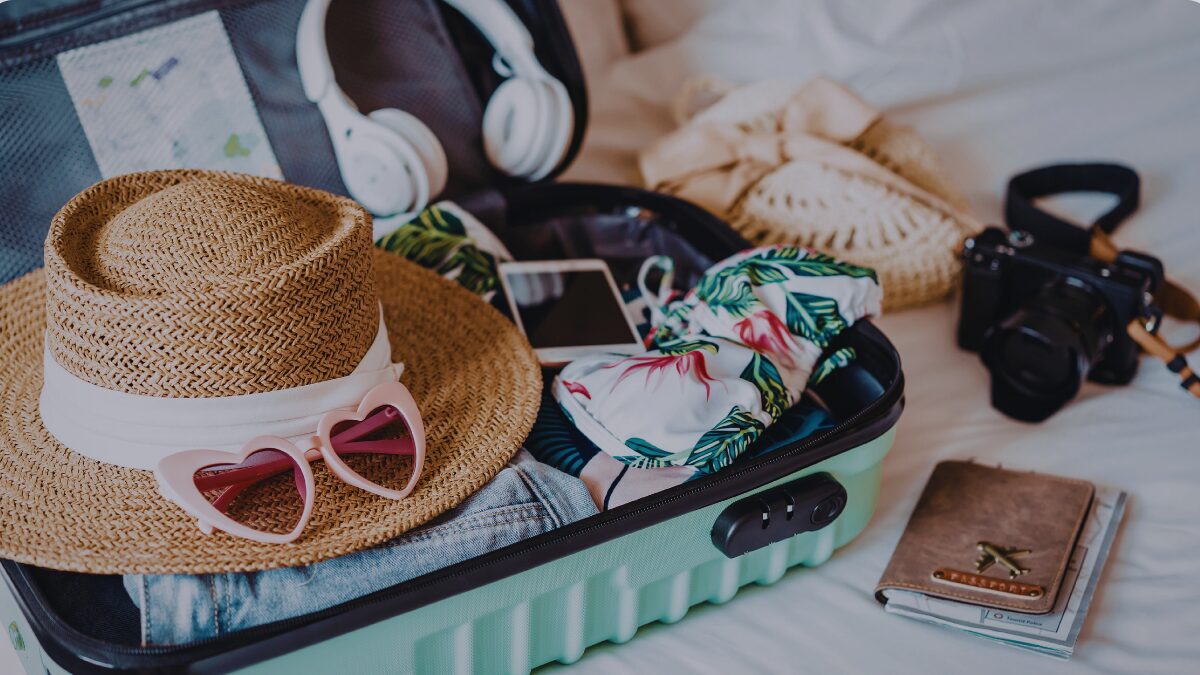
They also resist the urge to panic-buy gear they’re not sure they’ll use, like last-minute specialty accessories. Instead, they focus on the essentials and wait to see what they actually need once the trip begins. This kind of patience keeps them from filling their suitcase — and their receipts — with items they never truly needed in the first place.
With that said, take control of your travel finances. Sign up for our newsletter and follow us on social media for smart tips on saving money, avoiding fees, and managing your finances abroad.