
Common Travel Scams and How to Stay Safe Abroad
Summary
Travel scams continue to affect tourists worldwide, ranging from booking fraud to street-level theft and digital risks. As international travel increases, preparation and awareness are becoming essential for avoiding costly and stressful situations abroad.
What Travelers Should Know
Scams targeting travelers have become more sophisticated, particularly as booking platforms, digital payments, and international mobility expand. Fraudulent accommodation listings, fake booking sites, and manipulated reviews are increasingly reported in major destinations across Europe, Southeast Asia, and parts of Latin America.
Preparation before departure plays a critical role in reducing risk. Checking official travel advisories, such as those issued by the U.S. Department of State, can help travelers understand safety levels, common risks, and local conditions. Travel insurance is also becoming essential, covering trip cancellations, theft, and unexpected medical emergencies that can otherwise result in significant financial loss.
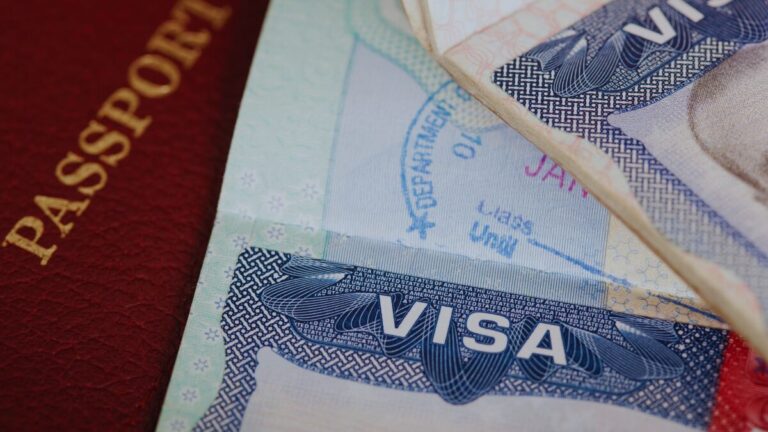
Securing important documents is another key step. Keeping digital copies of passports, visas, and travel confirmations can help travelers recover more quickly if documents are lost or stolen while abroad.
Common Scenarios to Watch For
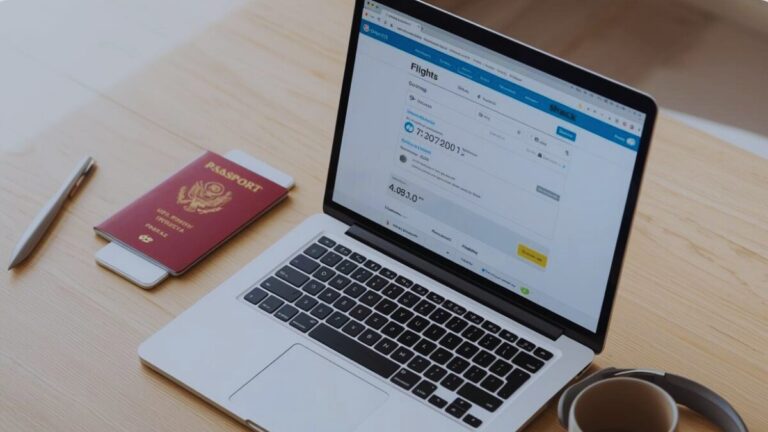
Booking scams remain one of the most common issues travelers face. Fake vacation rental listings and cloned booking websites can appear legitimate, often offering prices that seem unusually attractive. Travelers may only realize the fraud upon arrival, when accommodations do not exist or reservations cannot be verified.
Transportation scams are also widely reported. In many destinations, travelers encounter taxis with broken meters, inflated fares, or drivers who take unnecessarily long routes. Similar issues can occur with informal transport options such as tuk-tuks or private transfers arranged without verified platforms.
Street-level scams often rely on distraction. These can include individuals posing as police officers requesting to check documents or money, or people offering “free” items such as bracelets or souvenirs before demanding payment. Variations of social engineering scams, sometimes referred to as “family emergency” or “grandparent-style” scams, can also target travelers through phone or messaging apps.
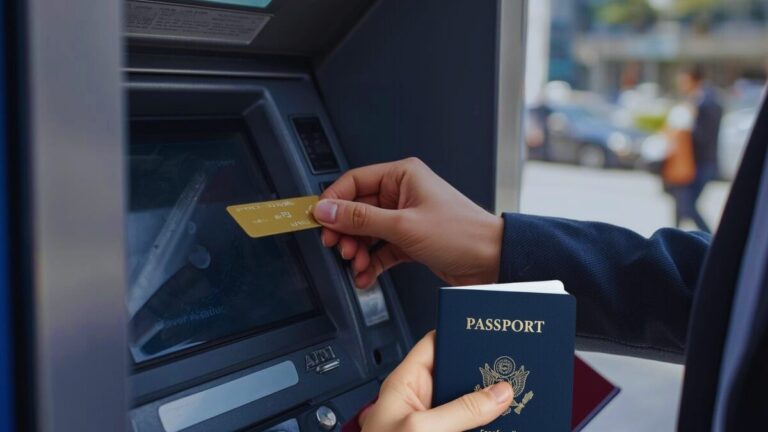
Financial risks are another concern. Card skimming devices at ATMs and unofficial currency exchange counters can compromise personal financial data. Pickpocketing in crowded areas, especially near tourist attractions and transit hubs, remains one of the most frequently reported issues worldwide.
How to Avoid It
Researching destinations in advance is one of the most effective ways to avoid scams. Understanding common local tactics allows travelers to recognize suspicious behavior quickly and avoid high-risk situations. Booking accommodations and transportation through verified platforms reduces the likelihood of fraud.
Maintaining awareness in public spaces is equally important. Travelers who keep a low profile, avoid displaying expensive items, and stay alert in crowded environments are less likely to be targeted. Choosing official taxi services or app-based transportation can also reduce the risk of overcharging or route manipulation.
What to Do If It Happens
If a scam occurs, travelers should report the incident to local authorities as soon as possible and document any relevant details. U.S. travelers can also report fraud to the Federal Trade Commission, particularly in cases involving financial loss or identity theft. Embassies can assist with lost passports, emergency documentation, and guidance on next steps, helping travelers recover and continue their trip safely.
Lastly, staying informed is one of the best ways to travel smarter and safer. Sign up for our newsletter and follow us on social media for the latest travel safety updates, alerts, and essential tips.