Japan Tourism Surge Strains Capacity and Raises Prices
Summary
Japan is experiencing a significant surge in international tourism in 2026, with visitor numbers rising sharply across major cities. While the rebound highlights strong global demand, it is also creating pressure on infrastructure, pricing, and overall travel experience.
What Happened
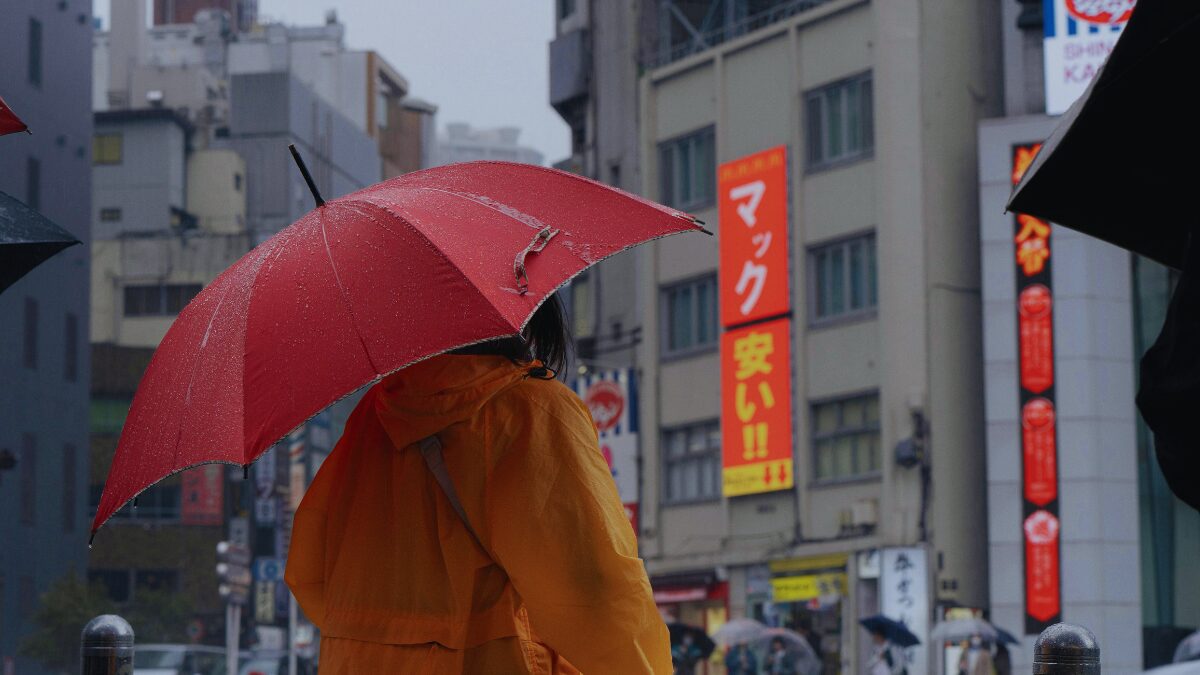
Tourism to Japan has accelerated rapidly, with cities such as Tokyo, Kyoto, and Osaka reporting increased international arrivals. Popular attractions, transportation networks, and accommodations are seeing higher usage as global travelers return in large numbers.
The surge has led to rising hotel prices, limited availability in key areas, and increased congestion at major tourist sites. In cities like Kyoto, local officials have expressed concerns about overcrowding in historic districts, particularly during peak travel seasons.
Airlines have responded by expanding routes and increasing flight capacity to Japan, making the destination more accessible. However, the increased accessibility has also contributed to the rapid rise in visitor numbers, intensifying demand across the tourism sector.
What’s Driving the Shift
Currency dynamics are a major factor behind Japan’s tourism boom. A weaker yen has made travel to Japan more affordable for international visitors, attracting travelers seeking high-value experiences at relatively lower costs.
Pent-up demand for international travel is also contributing to the surge. Japan remains one of the most sought-after destinations globally, known for its blend of culture, cuisine, and modern infrastructure.
At the same time, increased airline connectivity and tourism promotion campaigns have amplified demand. As travel restrictions eased and accessibility improved, Japan quickly regained its position as a top global destination.
Why It Matters for Travelers
For travelers, Japan’s tourism surge means higher prices, increased competition for accommodations, and more crowded experiences in popular areas. Planning ahead has become more important, particularly during peak travel periods.
However, the surge also reflects strong global interest in high-quality travel experiences. Travelers may find opportunities by exploring lesser-known regions or traveling during off-peak seasons to avoid congestion.
What to Expect Next
Japan is expected to continue attracting high volumes of international visitors as global travel demand remains strong. Tourism authorities may introduce measures to manage crowding, including promoting alternative destinations and adjusting visitor flows.
Other countries may also experience similar surges as travelers prioritize destinations that offer strong value and cultural appeal. This could lead to broader shifts in global tourism patterns.
As demand continues to rise, travelers may need to adapt by planning earlier, remaining flexible, and considering alternative travel strategies to optimize their experience.
With global travel constantly evolving, staying informed matters. Be sure to sign up for our newsletter and follow us on social media to stay up to date on the latest travel news and industry updates.