United Airlines Streamlines Fleet Amid Rising Operational Costs
United Airlines is strategically adjusting its fleet and network operations in response to the dynamic economic landscape and ongoing industry challenges. This comprehensive move aims to bolster efficiency, optimize resource allocation, and pave the way for sustainable growth in its extensive global services.
What Happened
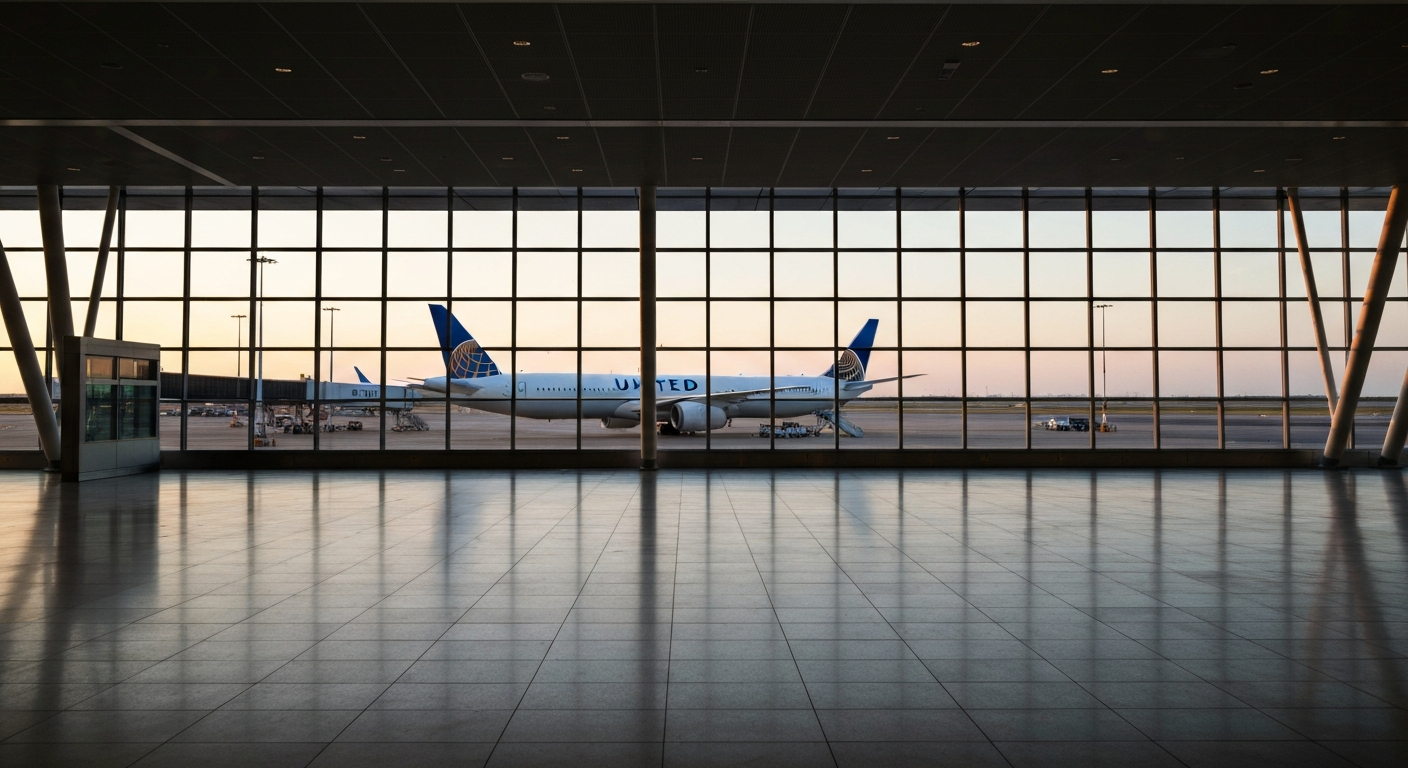
The carrier recently unveiled ambitious plans to streamline its aircraft fleet, focusing intently on next-generation, fuel-efficient models that promise not only significantly lower operating costs but also a reduced environmental impact. This initiative involves the accelerated retirement of older, less efficient aircraft, a deliberate move to modernize the entire fleet. Simultaneously, United is making substantial investments in new, state-of-the-art planes from leading manufacturers like Boeing and Airbus, which are designed with advanced aerodynamics and engine technology.
This comprehensive decision comes at a time when airlines worldwide continue to grapple with persistent high fuel prices, the complexities of labor shortages across various operational roles, and an evolving maze of global and regional regulatory frameworks. United’s leadership emphasized that these strategic adjustments are absolutely crucial for maintaining the airline’s competitive edge in a global market and for consistently delivering a high-quality, reliable experience for its millions of passengers. The core strategy here is to precisely align aircraft types with specific route demands, ensuring optimal capacity utilization and maximizing operational flexibility across its extensive domestic and international network. This proactive strategic pivot allows the airline to adapt more quickly and effectively to market shifts, capitalize on new opportunities, and leverage the very latest technological advancements in commercial aviation.
Furthermore, this broad optimization includes a thorough review of existing flight schedules and hub operations, meticulously identifying areas where efficiencies can be gained and where service can be enhanced. While specific route changes are still being finalized and will be announced as they become concrete, the overarching goal is clearly to enhance connectivity and improve reliability, particularly for key business and popular leisure corridors. The airline’s long-term vision is centered on cultivating a more cohesive, adaptable, and technologically advanced fleet that can more effectively and efficiently serve its incredibly diverse global customer base, from leisure travelers to business executives.
Why It Matters for Travelers
For travelers, United’s aggressive fleet modernization program could translate directly into a markedly more comfortable and often quieter flight experience on many routes, as newer aircraft typically feature cutting-edge cabin designs, advanced in-flight entertainment systems, and superior climate control. Beyond comfort, the greater fuel efficiency of these new planes contributes to a more sustainable journey. Importantly, this strategic shift is also expected to lead to more predictable schedules and potentially fewer operational disruptions over time, simply because a streamlined, modern fleet is inherently easier to manage, maintain, and adapt to unforeseen challenges.
While initial adjustments might see some minor route or schedule shifts as the transition takes place, the long-term benefit for passengers is expected to be a significantly more resilient, reliable, and efficient air travel network. Passengers flying with United may increasingly find themselves on these newer, more advanced planes, directly benefiting from enhanced in-flight amenities, increased connectivity options, and ultimately, a more punctual and pleasant journey. This strategic focus on operational efficiency and passenger comfort aims to indirectly, but substantially, improve the overall value proposition and travel experience for every United customer.
What to Expect Next
Travelers can anticipate a progressive and gradual rollout of these significant fleet changes, with newer aircraft steadily integrated into various domestic and international routes throughout the coming months and indeed, well into the next few years. United is committed to transparent communication and is expected to communicate any significant route or schedule adjustments well in advance, providing passengers ample time to adjust their plans and make informed decisions. It’s always advisable for travelers to diligently check their flight details closer to their departure dates, especially for flights on routes that may have previously utilized older aircraft types.
Looking ahead, the airline will also likely continue to invest substantially in broader passenger experience enhancements, not just on the new aircraft but across its entire service offering, thereby solidifying its competitive position in the fiercely contested global aviation market. As the fleet transition progresses and stabilizes, passengers may notice an increasingly standardized, modern, and high-quality experience across United’s entire array of offerings, clearly reflecting a deep-seated focus on consistency, operational excellence, and customer satisfaction.
With global travel constantly evolving, staying informed matters. Be sure to sign up for our newsletter and follow us on social media to stay up to date on the latest travel news and industry updates.