UK Rail Procurement Reforms Signal Future Traveler Gains
The UK’s Competition and Markets Authority (CMA) recently called for significant changes to the planning and procurement of road and rail infrastructure projects, aiming to enhance efficiency and foster innovation. This move signals a strategic push to improve how major transportation developments are brought to fruition, ultimately benefiting travelers.
What Happened
Following an extensive 11-month market study into civil engineering across public road and rail sectors, the CMA identified key issues contributing to increased costs, delayed project delivery, and limited innovation. Their recommendations emphasize greater transparency, more competitive bidding, and clearer specifications from inception, aiming to create a more dynamic environment for infrastructure development.
The authority’s detailed findings suggest existing practices often lead to suboptimal outcomes, impacting public finances and the timely delivery of essential services. By streamlining procurement and project management, the CMA believes the UK can achieve better value, accelerate crucial rail network upgrades, and ensure infrastructure remains cutting-edge and responsive. These reforms cover how contracts are awarded and managed.
Specific proposals include adopting more collaborative contracting models, sharing risks equitably. The CMA also highlighted standardizing components and processes to drive down costs and speed up delivery without compromising quality. These changes foster a healthier competitive landscape, encouraging more firms to participate and bring fresh ideas, fueling innovation.
Why It Matters for Travelers
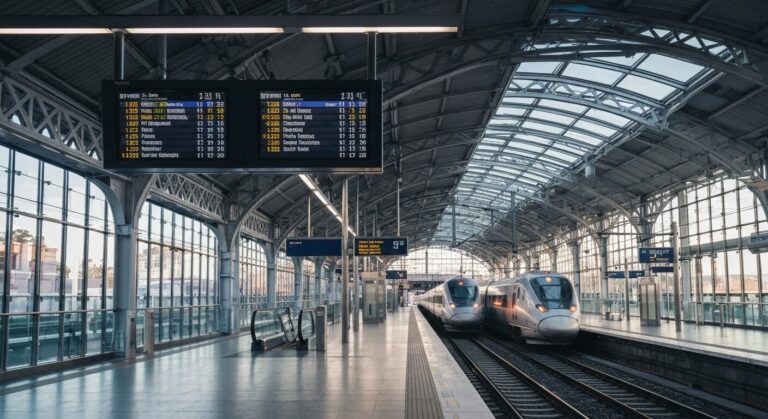
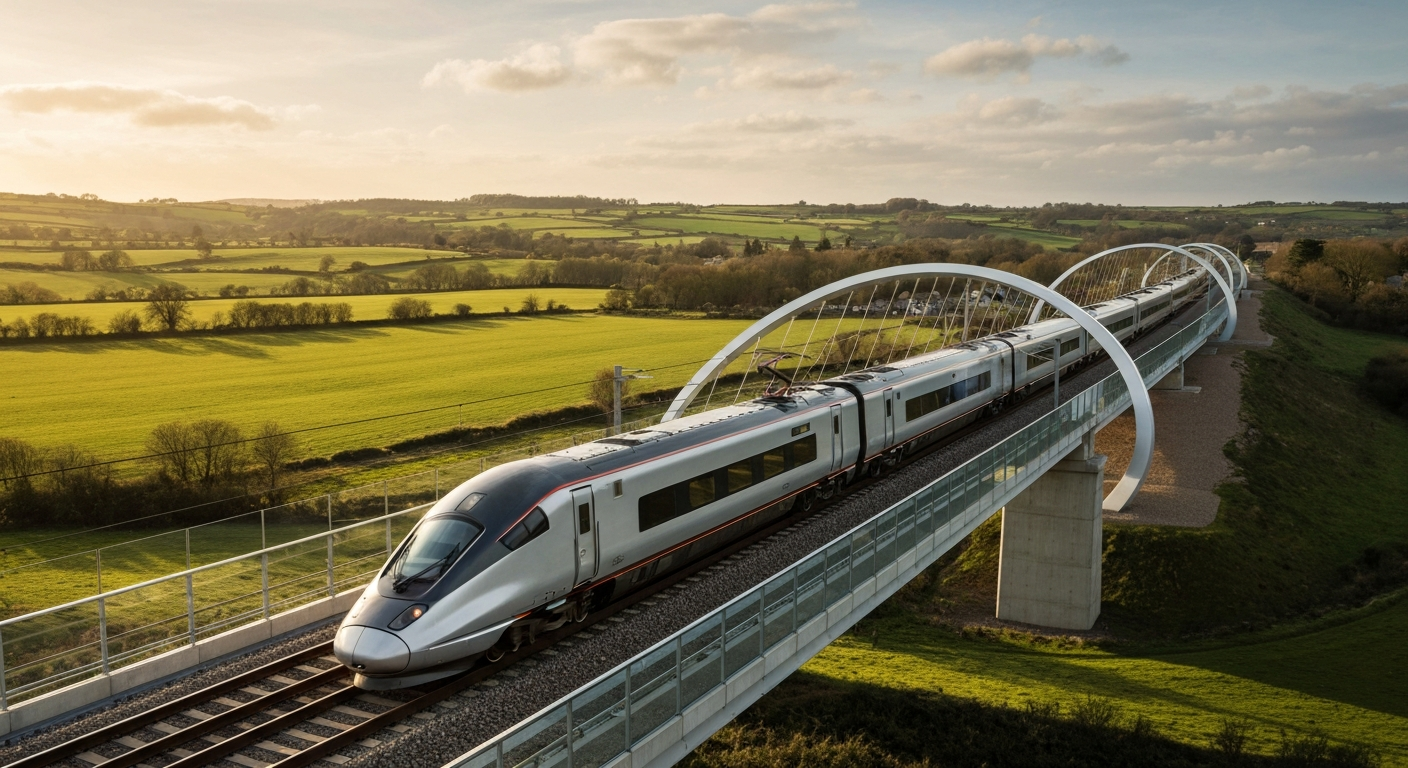
While these procurement reforms may seem technical, their long-term impact on UK rail users could be profoundly positive. More efficient project delivery means vital infrastructure improvements—like new high-speed lines, modernized stations, and network expansions—could be completed faster with fewer budget overruns. This translates into reduced disruption and earlier introduction of enhanced travel possibilities for passengers.
Moreover, if construction and maintenance costs are genuinely reduced, it could free up substantial public funds. These resources could then be reinvested directly into enhancing passenger services, improving the overall journey experience, or even supporting new, much-needed routes. Travelers might see more frequent services, better on-board amenities, and a wider array of destinations accessible via rail, making train travel a more attractive option.
The focus on fostering innovation could also lead to significant advancements in rail technology and passenger comfort. Future trains could feature improved connectivity, more ergonomic seating, or entirely new digital services designed to enhance the travel experience. Ultimately, a more efficient, innovative, and cost-effective infrastructure pipeline is poised to deliver a more reliable, interconnected, and advanced rail network for everyone relying on the UK’s railway system.
What to Expect Next
The CMA’s comprehensive recommendations will now be thoroughly reviewed by relevant government departments and key rail industry stakeholders. While implementation details and precise timelines are still to be determined, the overarching focus will be on a phased approach to integrate these reforms into existing procurement frameworks. Travelers should anticipate that these foundational changes will gradually lay the groundwork for a more advanced, reliable, and traveler-friendly rail system across the UK in the coming years.
With global travel constantly evolving, staying informed matters. Be sure to sign up for our newsletter and follow us on social media to stay up to date on the latest travel news and industry updates.