New South Western Railway Trains Boost London Commuter Capacity
Travelers using South Western Railway (SWR) services into London Waterloo and key commuter routes are experiencing enhanced capacity and comfort following significant fleet upgrades over the past year.
What Happened
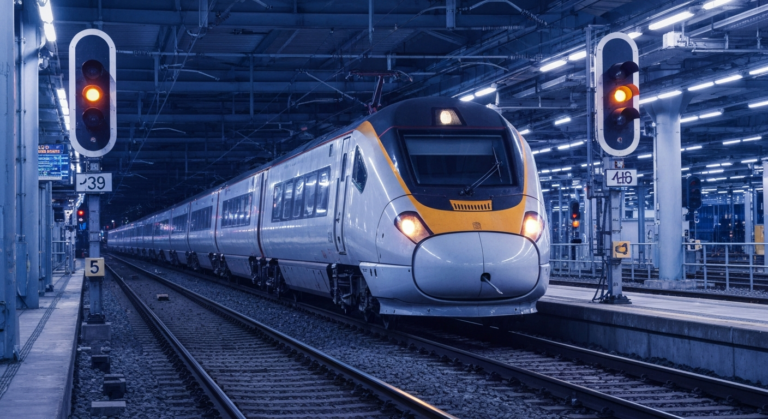
One year after South Western Railway (SWR) services transitioned into public ownership, travelers are already seeing substantial enhancements to their daily journeys. The Department for Transport (DfT) and SWR leadership were able to rapidly accelerate the introduction of new Arterio trains, a move celebrated by Rail Minister Lord Peter Hendy as a testament to prioritizing passengers over profit.
This swift action has led to the deployment of 39 new Arterio trains since May of last year, significantly boosting capacity across the network. Suburban services heading into London Waterloo have experienced a 27% increase in seats and overall space. Even more impressive gains are noted on specific routes, with Aldershot via Ascot seeing a 55% boost, Windsor a 42% increase, and Shepperton services enjoying 32% more capacity. These improvements directly address long-standing commuter concerns regarding crowding.
The state-of-the-art Arterio fleet is designed to carry double the number of passengers than the trains they replace, offering a more efficient and comfortable journey. Beyond increased space, these modern trains feature faster acceleration and braking capabilities, free Wi-Fi, convenient charging points at every seat, and improved air conditioning. Passengers also benefit from real-time information displays and fully accessible toilets, enhancing the overall travel experience. SWR is on track to have 50 Arterios in daily service shortly, with the complete fleet of 90 trains expected to be fully operational by early 2027, further solidifying the commitment to a modernized railway under the vision of Great British Railways.
Why It Matters for Travelers
For both daily commuters and leisure travelers accessing London Waterloo from key towns like Windsor, Woking, and Wimbledon, these extensive upgrades translate into a notably improved travel experience. The substantial increase in seating and standing room means less crowded trains, particularly during peak hours, allowing for a more relaxed and productive journey. Features like free Wi-Fi and charging points transform travel time into valuable personal or work time, making rail a more attractive and practical option.
Beyond the new fleet, passengers are benefiting from a comprehensive suite of additional improvements aimed at enhancing reliability and comfort. This includes a full overhaul of the Class 158 and 159 diesel fleets, ensuring even older trains offer an upgraded experience with better power access and refreshed interiors. Significant infrastructure projects, such as the £129 million resignalling program between Farncombe and Petersfield, are reducing delays and improving punctuality. These efforts, combined with advanced technological deployments like thermal imaging cameras for track defect detection, work in concert to create a more dependable and seamless rail service, minimizing disruptions and maximizing efficiency for everyone.
What to Expect Next
Looking ahead, South Western Railway is not resting on its laurels. The company plans to consult on a full timetable refresh later this year, a critical step to ensure optimal use of its expanded fleet and network, ultimately aiming for a more resilient and efficient service for customers and stakeholders alike. This strategic review will further tailor services to evolving passenger needs.
To support these improvements and enhance operational stability, SWR is actively recruiting and training more train crew, with 144 new drivers slated for this year. This expansion in personnel will further improve resilience across the network and simplify operating plans, contributing to a more reliable service. Furthermore, ongoing accessibility schemes at numerous stations will ensure that all travelers can navigate the railway with greater confidence and ease.
The SWR transformation is part of a broader trend within the UK rail network, with several other major operators like c2c, Greater Anglia, and GTR also transitioning into public ownership. This shift signals a continued move towards an integrated railway system, potentially fostering even greater collaboration between track and train operations to prioritize passenger experience and stimulate economic growth across the country.
With global travel constantly evolving, staying informed matters. Be sure to sign up for our newsletter and follow us on social media to stay up to date on the latest travel news and industry updates.