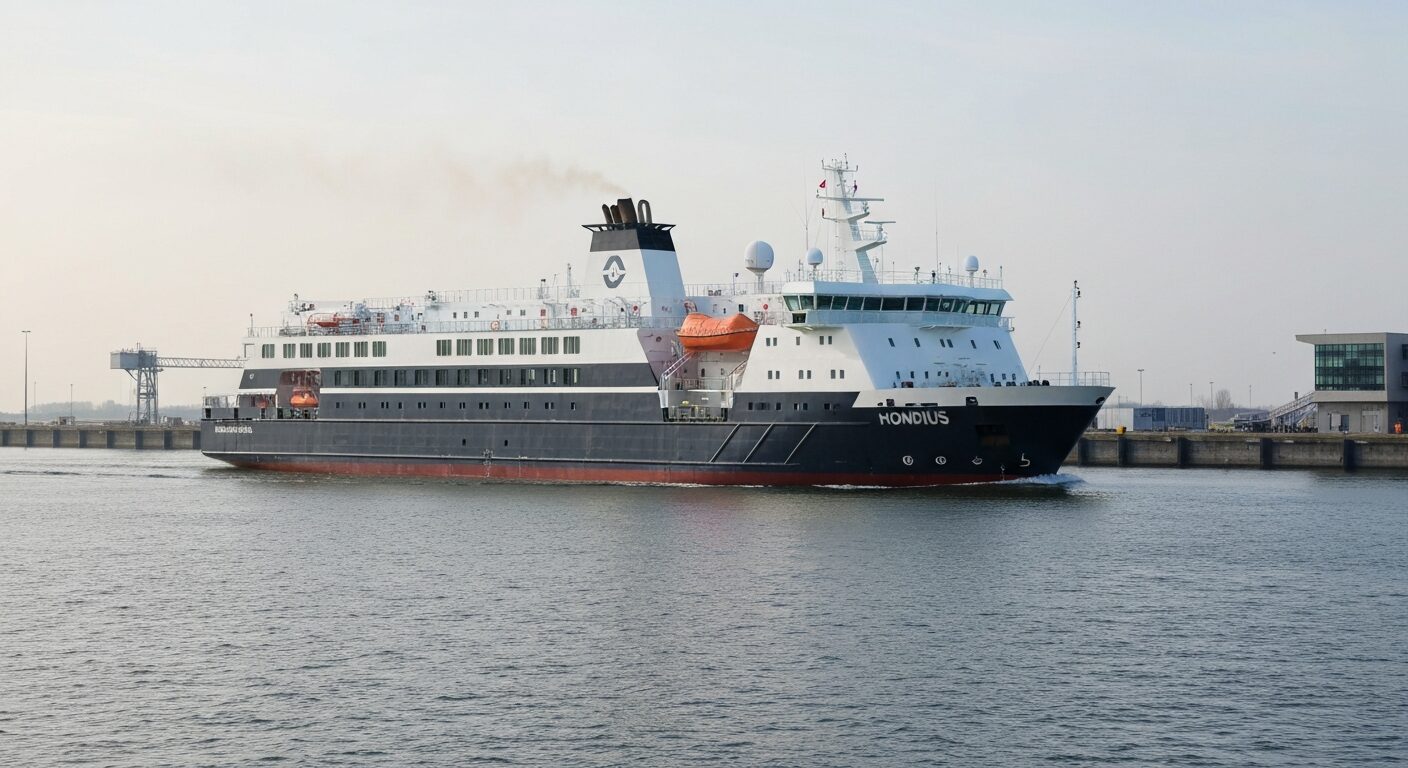
Oceanwide’s Hondius Expedition Ship Completes Monitored Voyage to Rotterdam
Summary
The Oceanwide Expeditions vessel Hondius is nearing Rotterdam, concluding a voyage with 27 individuals onboard, all under diligent medical observation. This arrival follows a period of close monitoring by two medical staff from the Dutch National Institute for Public Health and the Environment, specially assigned for the journey. Crucially, no hantavirus symptoms have been reported among the 25 crew members or the medical personnel, ensuring a safe and uneventful disembarkation process in the port.
What Happened
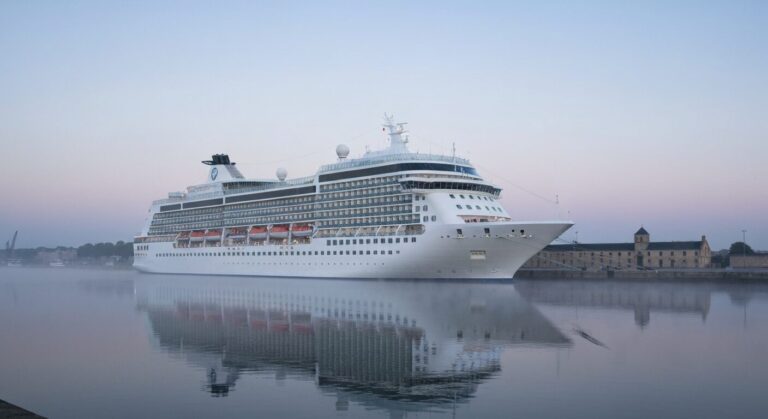
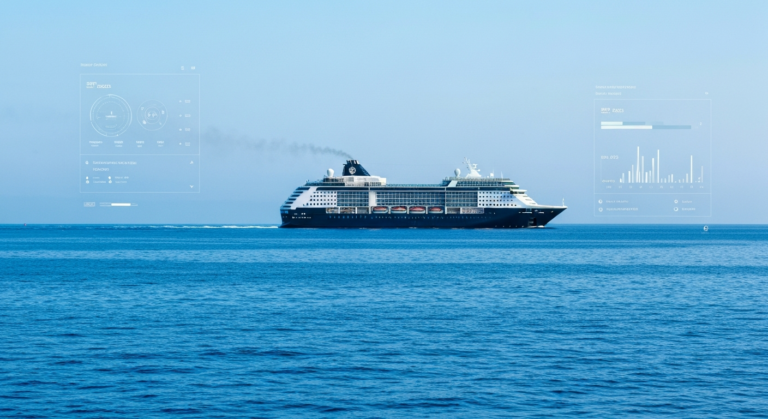
The Hondius, an advanced expedition vessel renowned for its polar explorations, is scheduled to arrive at the port of Rotterdam on Monday, May 18. This particular voyage has been distinctive due to the presence of 25 dedicated crew members and two medical staff representing the Dutch National Institute for Public Health and the Environment. Their primary mission was to conduct comprehensive medical monitoring throughout the entire duration of the journey, specifically screening for any potential hantavirus symptoms. This proactive health measure was initiated to ensure the well-being of everyone on board after the vessel’s prior movements. All individuals onboard have remained entirely asymptomatic, confirming the efficacy of the implemented health protocols and allowing for a smooth conclusion to the voyage. Upon arrival, standard port health authority procedures will be observed, leading to a managed disembarkation for all personnel. This careful oversight reflects a heightened awareness of public health in maritime operations.
Why It Matters for Travelers
For individuals contemplating future expedition cruises, particularly those eyeing remote or environmentally sensitive destinations with operators like Oceanwide Expeditions, this event offers important insights into contemporary operational standards. The meticulous medical monitoring demonstrates a significant commitment to robust health and safety frameworks for both crew and future passengers. Such rigorous measures are paramount in building and maintaining traveler confidence in an era where health considerations are at the forefront of travel planning. Understanding that operators are prepared to implement such extensive surveillance, even for specific health concerns like hantavirus, provides crucial reassurance. This level of preparedness helps travelers make informed decisions about their next adventure, ensuring their chosen cruise aligns with their expectations for safety and well-being. It underscores a proactive approach to risk management that benefits the entire cruise community.
What to Expect Next
Following the Hondius’s successful and monitored arrival in Rotterdam, industry stakeholders will observe standard disembarkation procedures, likely augmented by continued health checks as required by port authorities. This isolated incident, resolved without any symptomatic cases, may serve as a case study for best practices in medical oversight for expeditionary vessels. Cruise lines across the sector are expected to continually refine and potentially integrate similar proactive health monitoring systems as standard components of their operational health and safety frameworks. Such developments might include more advanced pre-boarding health screenings, expanded onboard medical facilities, or standardized post-voyage health assessments. These adaptations are designed to solidify traveler trust, ensuring the continued safe and responsible operation of expedition travel worldwide. The ongoing evolution of health protocols remains a key focus for the cruise industry as it adapts to global challenges and traveler expectations.
As the cruise industry continues evolving, staying informed helps travelers make smarter vacation decisions. Be sure to sign up for our newsletter and follow us on social media for the latest cruise industry updates and travel insights.