Fehmarnbelt Tunnel Achieves Major Immersing Milestone
Summary
The initial section of the ambitious Fehmarnbelt tunnel, a massive 217-meter pre-built element, has been successfully immersed and precisely positioned in the Baltic Sea. This significant engineering achievement marks a critical milestone for the world’s longest underwater rail and road link, designed to connect Denmark and Germany efficiently.
What Happened
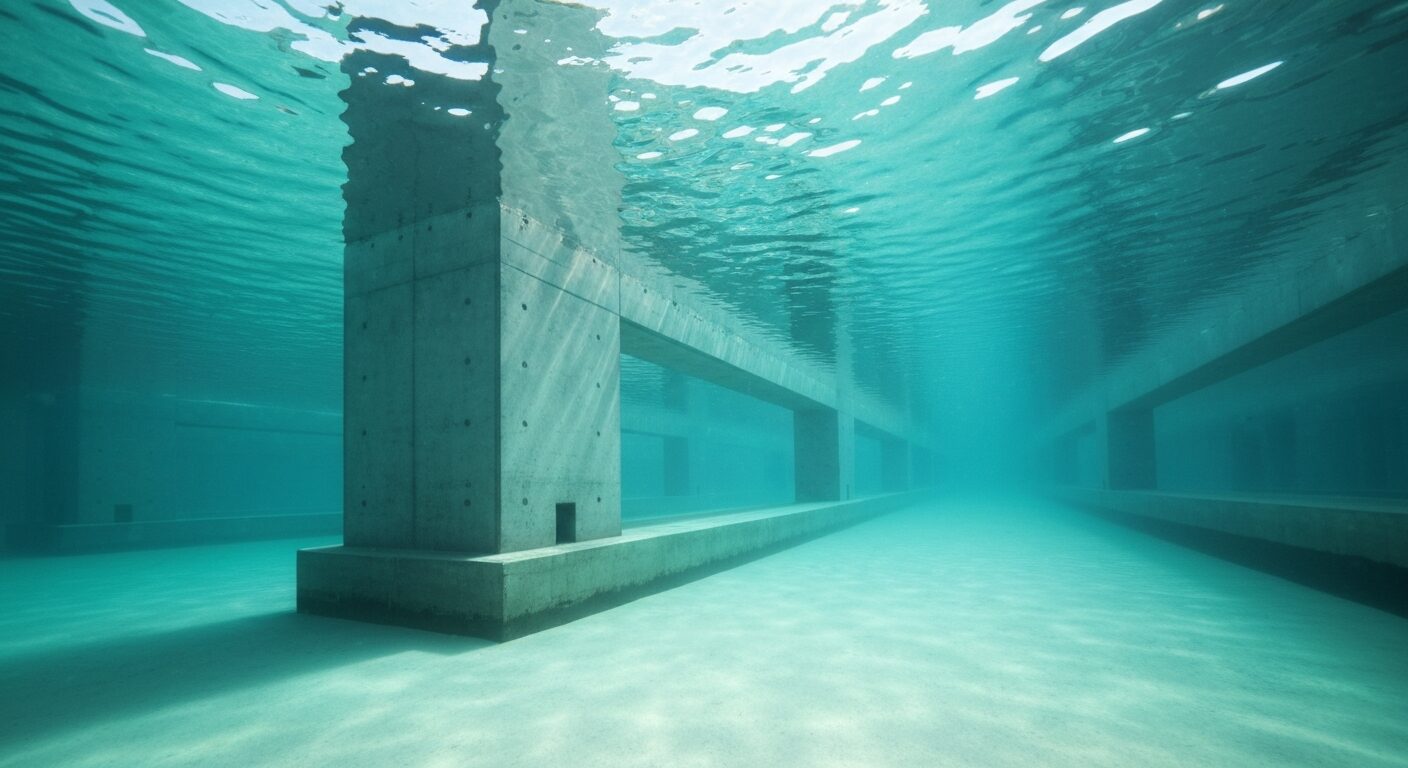
The first immense 217-meter section of the Fehmarnbelt tunnel was meticulously lowered into its designated trench beneath the Fehmarnbelt strait between Denmark and Germany. This incredibly complex operation involved specialized immersion vessels and state-of-the-art precision guidance systems to ensure the exact placement of the colossal element on the seabed.
This successful immersion represents a pivotal step for the entire project, which aims to create the world’s longest immersed tunnel structure. The innovative construction method involves fabricating 89 massive tunnel elements on land before they are towed into position and submerged into the prepared underwater trench.
Each tunnel element, weighing approximately 73,500 tonnes, is carefully sealed at both ends before being floated out to its specific location above the trench. Once precisely aligned, water is strategically pumped into ballast tanks to gradually lower the element, ensuring it connects seamlessly with preceding sections and eventually forms the dry tunnel structure.
Why It Matters for Travelers
This groundbreaking tunnel will dramatically cut travel times between Central Europe and Scandinavia, reducing a current 45-minute ferry journey to just seven minutes by train or ten minutes by car. Such a significant reduction in transit time will create vastly more efficient and convenient routes for both leisure and business travelers across the region.
Travelers can anticipate much easier cross-border journeys, enabling new opportunities for seamless regional exploration and improved logistical flows for goods and services. The Fehmarnbelt tunnel project is therefore expected to stimulate considerable economic activity and substantially enhance connectivity throughout northern Europe.
Beyond speed, the tunnel will offer a more reliable travel option, less susceptible to adverse weather conditions that can often disrupt ferry services. This increased stability and predictability in travel will be a major advantage for frequent commuters and international tourists alike.
What to Expect Next
Construction will now continue with the regular immersion of the remaining 88 tunnel elements over the next several years, with the monumental project slated for full completion by 2029. Each subsequent immersion will follow the same rigorous and precise procedures as construction progresses simultaneously from both the Danish and German sides.
As more sections are systematically added, the complete outline of this transformative infrastructure project will become increasingly apparent beneath the Baltic Sea. Travelers should eagerly anticipate the eventual opening of a seamless, highly efficient, and environmentally conscious new artery for European transport.
The final stages will involve outfitting the tunnel with railway tracks, road surfaces, safety systems, and ventilation infrastructure. Rigorous testing will precede its official opening to ensure maximum safety and operational efficiency for all users.
With global travel constantly evolving, staying informed matters. Be sure to sign up for our newsletter and follow us on social media to stay up to date on the latest travel news and industry updates.