Automated Coupling Trials Finish, Shaping Europe’s Rail Future
A significant milestone has been reached in European rail innovation, as the DAC4EU consortium successfully concluded its trials for Digital Automatic Coupling (DAC) technology, signaling a major step forward for the continent’s train operations and overall rail network efficiency.
What Happened
The successful conclusion of the Digital Automatic Coupling (DAC) Demonstrator project trials was recently unveiled by the DAC4EU consortium and Germany’s Federal Ministry for Transport (BMV) at a closing event in Lippstadt. This initiative marks a pivotal advancement in modernizing rail operations, particularly for freight transport across Europe, aiming for a more interconnected and resilient network.
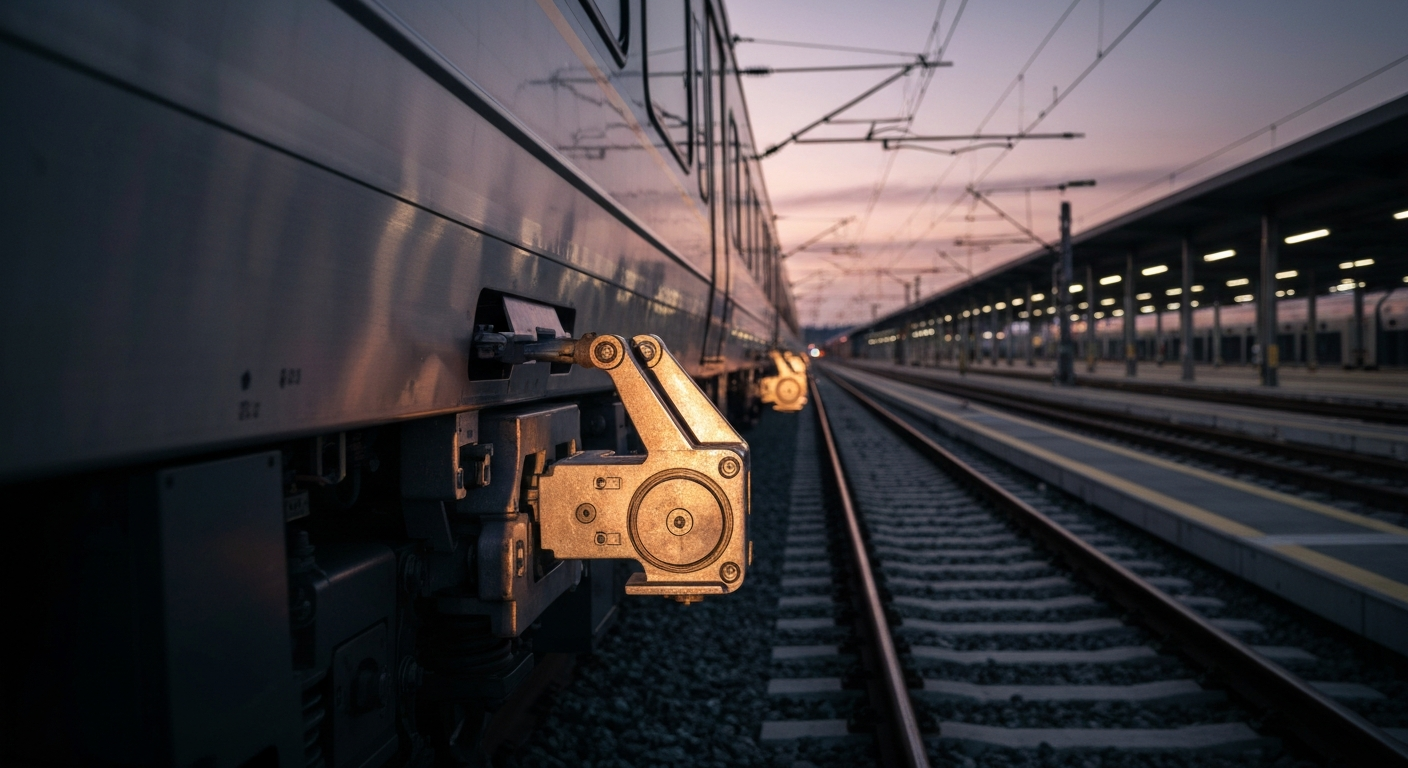
Digital Automatic Coupling aims to automate and digitize the process of connecting train cars, a task traditionally performed manually and requiring significant human effort in often challenging conditions. By transitioning to a fully automatic system, the project sought to enhance operational efficiency, drastically reduce turnaround times at rail yards, and significantly improve safety conditions for rail workers who no longer need to manually couple heavy carriages. This technological leap represents a fundamental shift from a century-old manual system to a smart, digital solution.
The trials, conducted over an extensive period, demonstrated the robust capabilities and reliability of this next-generation coupling technology across various operational scenarios. Showcasing its potential to revolutionize how goods are moved across the continent, the successful testing now shifts the focus towards the broader implementation of DAC across the European rail network, paving the way for a more integrated, streamlined, and efficient system for all rail users.
Why It Matters for Travelers
While Digital Automatic Coupling is primarily designed for freight trains, its successful implementation carries significant indirect benefits for passenger rail travelers across Europe. Enhanced efficiency in freight operations can lead to a substantial reduction in congestion on shared rail lines, potentially freeing up valuable track capacity for more passenger services and improving overall punctuality and reliability for all train types. This means fewer delays and a smoother journey for leisure and business travelers alike.
Moreover, a more efficient and reliable freight network can significantly decrease the current reliance on road transport for goods, contributing directly to broader environmental sustainability goals. For travelers who increasingly prioritize eco-friendly transportation options, a robust and modern rail system, including its optimized freight component, reinforces the appeal and validity of choosing trains for their journeys, aligning with Europe’s commitment to greener travel.
Improved safety standards and streamlined processes across the entire rail infrastructure, even those initially driven by freight automation, ultimately create a more secure and predictable environment for everyone utilizing the rail network. Travelers can indirectly benefit from a system that is inherently safer, operates with fewer manual intervention points, reducing potential for human error and enhancing overall operational integrity and consistency of service.
What to Expect Next
Following these highly successful trials, the next crucial phase will involve strategic planning and coordination for the widespread adoption and deployment of Digital Automatic Coupling technology across the entire European Union rail infrastructure. This ambitious rollout will likely require significant investment in infrastructure upgrades, the adaptation of existing rolling stock, and the introduction of new compatible trains, potentially taking several years to fully materialize.
Travelers should understand that while they may not experience immediate, overnight changes to their daily commutes or long-distance journeys, over time, they can anticipate a profoundly more modern, reliable, and interconnected European rail network. The long-term vision includes a system that is better equipped to manage increased demand for both passenger and freight services, leading to a more seamless, punctual, and ultimately enjoyable travel experience across the continent for years to come.
With global travel constantly evolving, staying informed matters. Be sure to sign up for our newsletter and follow us on social media to stay up to date on the latest travel news and industry updates.