
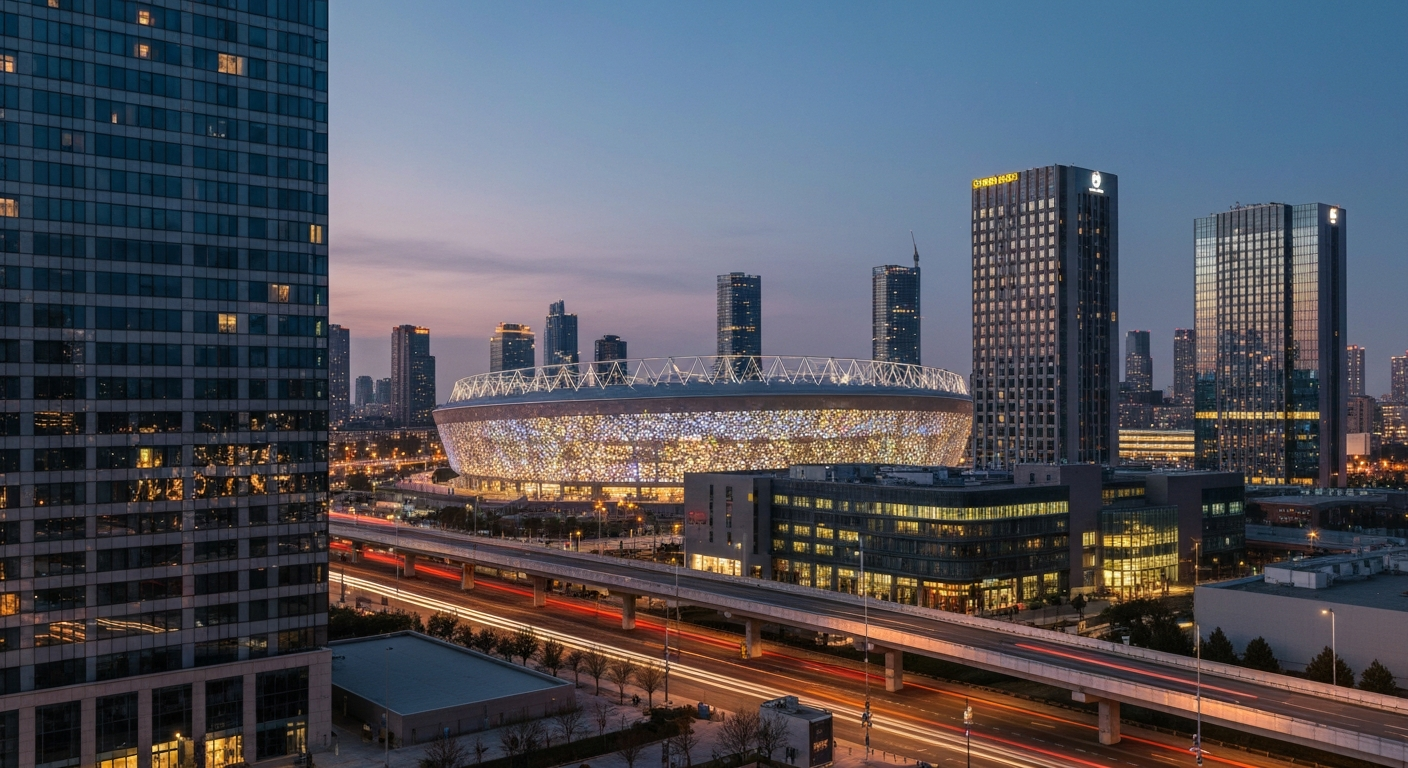
Major Global Events Boost Hotel Revenue Amid Shifting Demand
Large-scale international events are increasingly proving to be powerful economic drivers for host cities, with hotels reporting a notable surge in revenue despite unexpected fluctuations in occupancy rates.
What Happened
Recent data from major urban centers hosting global sporting tournaments reveals a clear trend: while average daily rates (ADR) have soared, boosting overall revenue per available room (RevPAR), the expected full house of hotel occupancy hasn’t always materialized. This suggests that fewer travelers are paying significantly more for their accommodations during these peak periods.
Industry analysts point to a combination of factors influencing this pattern. A concentrated demand during specific event windows allows hotels to implement dynamic pricing strategies, reflecting the high value placed on limited room availability. Additionally, a potentially shorter average length of stay for event attendees, combined with an influx of higher-spending tourists, contributes to the revenue uplift.
This evolving dynamic challenges traditional expectations that major events automatically translate to 100% occupancy across all accommodation tiers. Instead, it highlights a more complex market response where pricing power is paramount, optimizing financial returns even if every single room isn’t filled every night.
Why It Matters for Travelers
For travelers planning to attend major global events, this trend has direct implications for budgeting and booking strategies. Expect higher prices for accommodation, especially closer to the event dates, as hotels capitalize on demand. Early booking might still secure better rates, but even then, prices will likely reflect the premium associated with event travel.
Furthermore, it suggests that while host cities might feel bustling, certain neighborhoods or types of accommodations might not be as packed as once assumed. Savvy travelers might find opportunities for slightly less crowded experiences outside the immediate event venues, or discover that exploring local attractions away from the main event hub remains relatively unimpacted by the influx of visitors.
What to Expect Next
As cities and the hospitality sector gain further insights into these evolving visitor patterns, future event hosting strategies may adapt. Travelers could see a greater diversification in accommodation offerings, potentially including more premium or short-term rental options designed to meet the specific demands of high-spending, short-stay attendees.
It’s also possible that destination marketing efforts will broaden, aiming to attract a wider range of visitors during major events—not just those attending the core activity—to fill remaining occupancy gaps and distribute economic benefits more widely. Staying flexible with travel dates and exploring all accommodation options will be key for those looking to experience these global spectacles.
With global travel constantly evolving, staying informed matters. Be sure to sign up for our newsletter and follow us on social media to stay up to date on the latest travel news and industry updates.