MTA Begins Major Construction for Second Avenue Subway Phase 2
The Metropolitan Transportation Authority (MTA) has officially commenced the major construction phase for the Second Avenue Subway Phase 2 project, signifying a pivotal advancement in New York City’s transit infrastructure.
What Happened
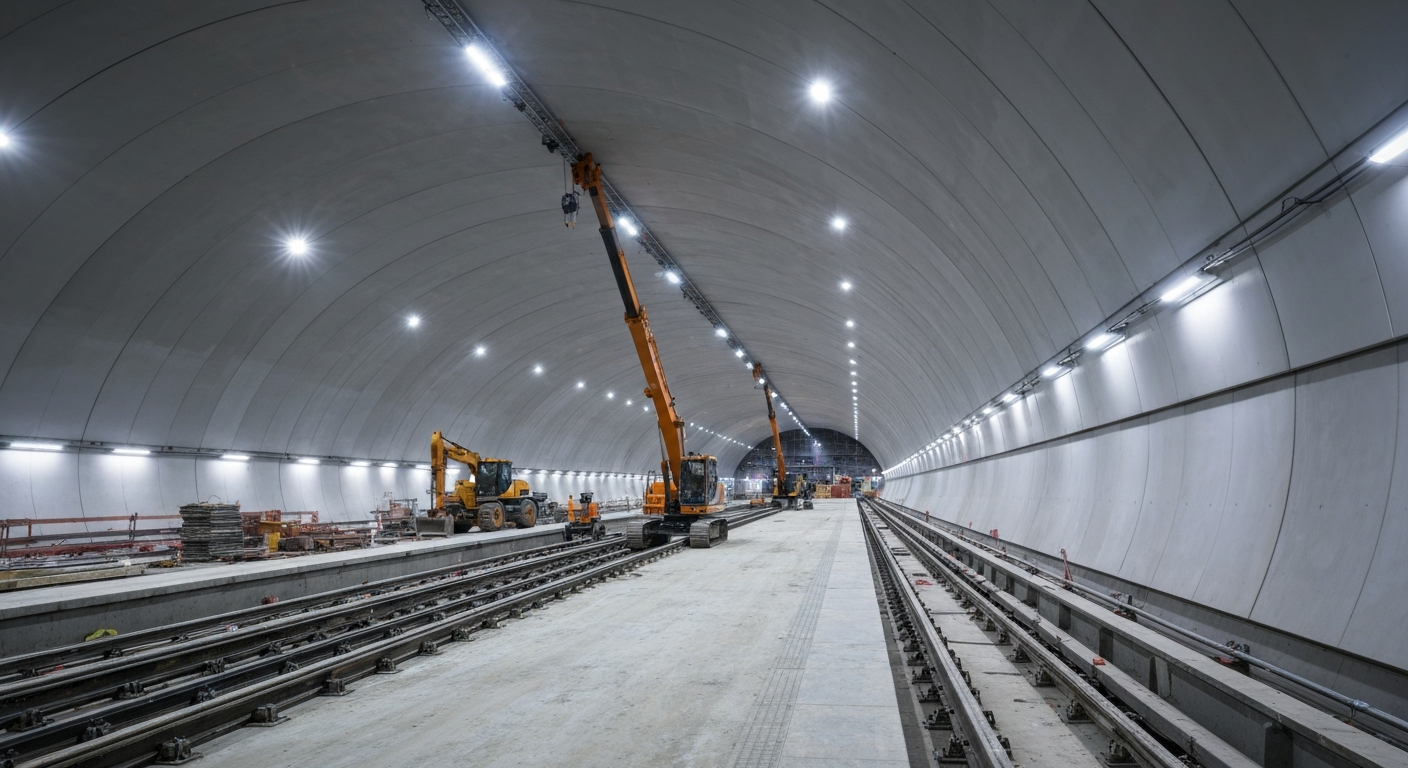
The groundbreaking ceremony marked the beginning of this significant undertaking, with plans to lower a tunnel boring machine (TBM) into the ground by early 2027. This state-of-the-art TBM will then embark on its journey, meticulously mining new subway tunnels from 120th Street, effectively extending the Q line further into East Harlem and beyond.
This second phase of the Second Avenue Subway is specifically designed to extend the existing line north from 96th Street to 125th Street, incorporating three brand new, modern stations at 106th Street, 116th Street, and 125th Street. The project’s primary goal is to significantly improve transit access for residents and visitors to East Harlem, while simultaneously alleviating the persistent overcrowding on the notoriously busy Lexington Avenue line, a critical artery for millions.
Securing funding for such an extensive urban infrastructure project is always a complex endeavor, and Phase 2 is backed by a substantial federal grant from the Federal Transit Administration. This pivotal funding is complemented by significant contributions from various local sources, collectively underscoring a robust and widespread commitment to enhancing public transportation options within one of the world’s most dynamic and densely populated urban centers.
Why It Matters for Travelers
For travelers exploring the vibrant tapestry of New York City, the Second Avenue Subway extension promises significantly enhanced accessibility to the rich cultural heritage and diverse offerings of East Harlem and the neighborhoods further north. This expansion will make discovering unique local businesses, renowned cultural institutions like the Museum of the City of New York, and authentic dining experiences along the new route far more convenient, streamlining travel times and reducing congestion on overburdened existing lines.
Beyond direct access to new areas, the project is poised to improve the overall efficiency and reliability of the city’s vast subway network, particularly by easing crowding on the often-packed 4, 5, and 6 trains. This translates directly to a more comfortable, predictable, and less stressful travel experience for tourists navigating the city, whether their destination is a world-class museum, a captivating Broadway show, or any of the city’s myriad iconic landmarks.
Furthermore, the introduction of new, modern subway stations typically incorporates advanced amenities and vastly improved ADA accessibility standards. These upgrades ensure a more welcoming and navigable environment for all passengers, critically including those with mobility challenges, families with strollers, or visitors managing luggage, enhancing the overall user experience.
What to Expect Next
Travelers should anticipate ongoing construction work in the affected areas over the next several years, though significant disruptions to existing subway services are expected to be minimal. The focus will largely be on underground tunneling and station development, which means most surface-level traffic impacts will be localized and managed.
While the opening of Phase 2 is several years away, typically projected for the early 2030s, the groundbreaking signifies steady progress toward a more connected and efficient New York City transit system. Regular updates on the project’s timeline and milestones will be provided by the MTA as construction advances, keeping the public informed of this crucial infrastructure development.
With global travel constantly evolving, staying informed matters. Be sure to sign up for our newsletter and follow us on social media to stay up to date on the latest travel news and industry updates.