Boeing 737 MAX 10 Completes Certification Flight Testing
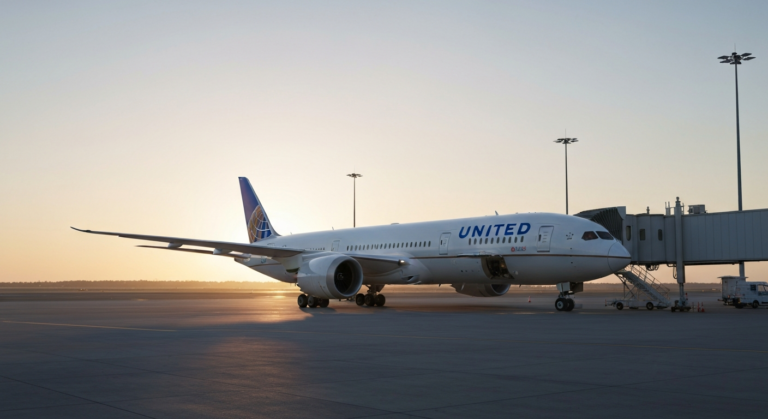
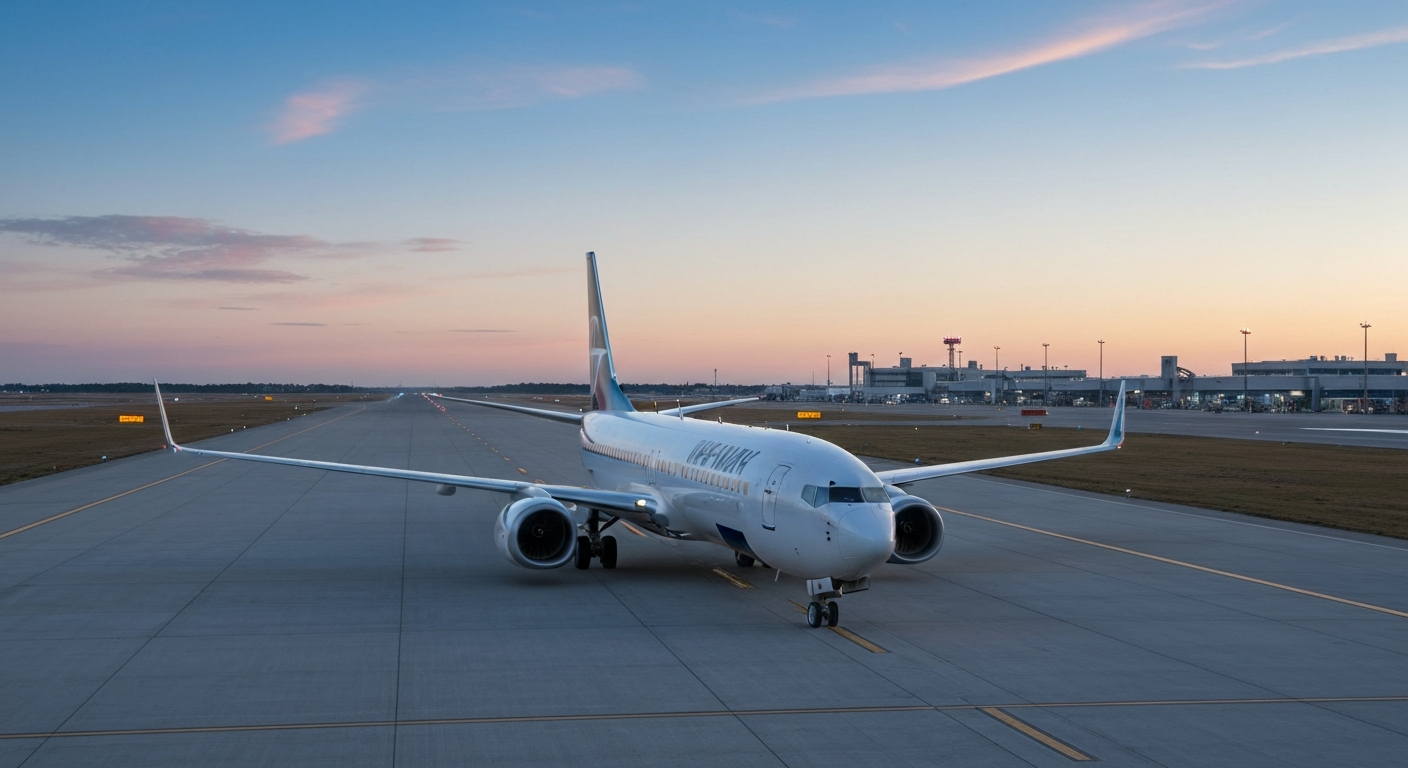
Boeing’s much-anticipated 737 MAX 10 aircraft has successfully completed its certification flight testing, marking a significant step toward its eventual approval and entry into service. This milestone brings the largest variant of the MAX family closer to joining airline fleets worldwide.
What Happened
The final test flight, which departed from and landed at Boeing Field in Seattle, focused on evaluating crucial cabin systems like the lavatory smoke detector and speaker performance. This comprehensive testing phase saw the MAX 10 test fleet log an impressive 976 flights, accumulating over 2,060 flight hours and approximately 1,040 hours of ground testing.
Key aspects of the testing program included rigorous evaluations of the aircraft’s main landing gear, braking capabilities on wet runways, and performance during maximum-energy stops. Additionally, significant attention was given to changes in the 737 MAX engine anti-ice system and the angle-of-attack systems, addressing previous regulatory concerns. Boeing officials emphasized that reaching this milestone underscores the team’s commitment and dedication throughout the development process.
With flight testing now complete, Boeing must finalize remaining safety and design reviews before submitting the comprehensive documentation to the Federal Aviation Administration (FAA). The company is progressing through its development assurance reviews and system safety assessments, aiming for MAX 10 certification in 2026, with the first customer deliveries projected for 2027. This timeline reflects ongoing efforts to ensure the aircraft meets all stringent safety standards.
Why It Matters for Travelers
The completion of these flight tests is a crucial step for the aviation industry, paving the way for more modern aircraft to enter service. For travelers, the introduction of the 737 MAX 10 means potential new route possibilities and increased seat availability on popular routes as airlines expand their fleets. Its larger capacity compared to other MAX variants could lead to more competitive fares or additional frequency options on certain flights.
Furthermore, updates to systems like the engine anti-ice and enhanced angle-of-attack technology are designed to bolster overall flight safety and reliability. While these are technical details, they contribute to the peace of mind that comes with flying on a thoroughly tested and certified aircraft. Airlines that have placed orders for the MAX 10 will soon be able to deploy these aircraft, enhancing their network capabilities and offering passengers a modern flying experience with improved fuel efficiency.
What to Expect Next
Travelers should anticipate seeing the Boeing 737 MAX 10 begin its commercial service in 2027, following its expected certification in 2026. While specific routes will depend on individual airline fleet plans, this new aircraft is likely to be deployed on popular medium-haul and some longer-haul routes, potentially replacing older generation jets. As the certification process continues, airlines will likely begin announcing their deployment strategies for this new addition to their fleets.
With global travel constantly evolving, staying informed matters. Be sure to sign up for our newsletter and follow us on social media to stay up to date on the latest travel news and industry updates.