
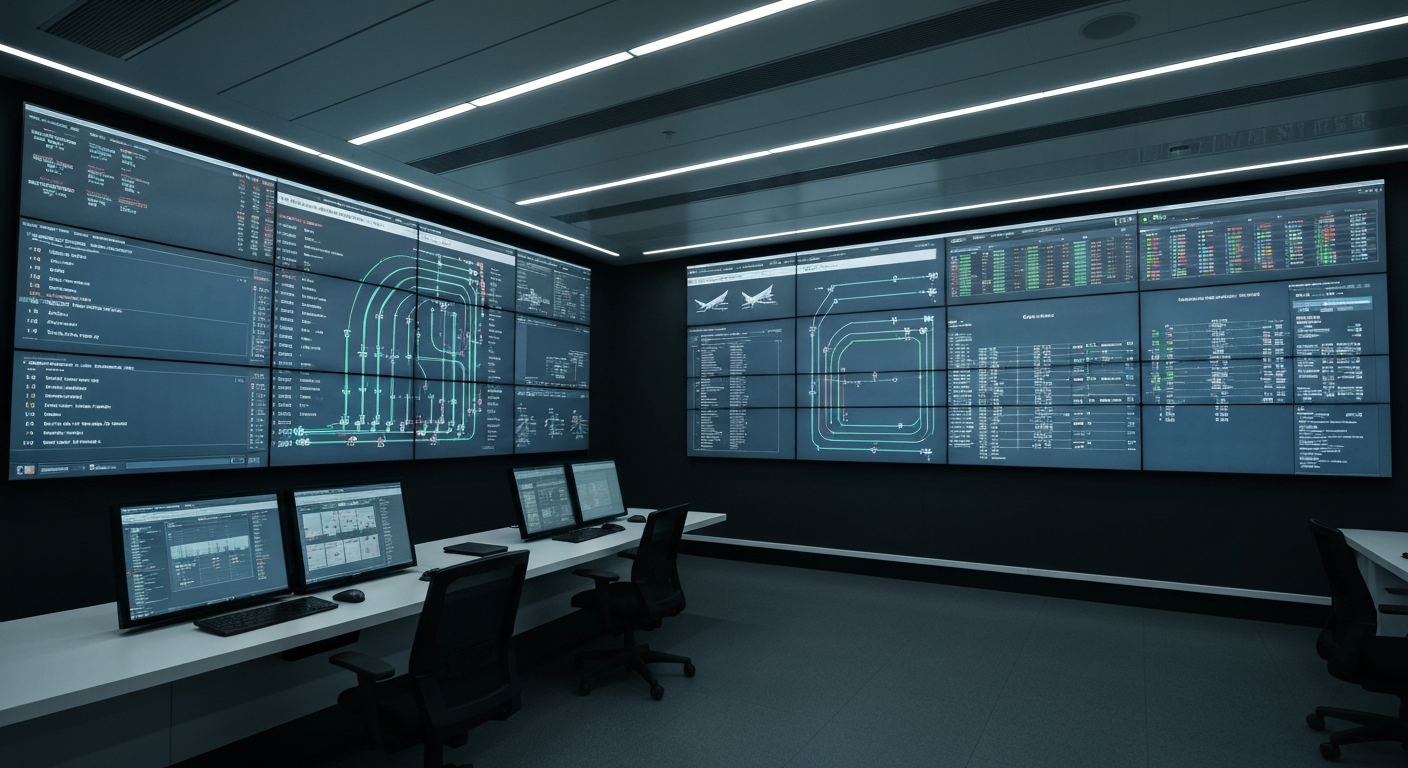
Airlines Leverage AI to Navigate Operational Headwinds
The global airline industry is increasingly turning to artificial intelligence (AI) to enhance operations and traveler experiences, even as it navigates persistent external challenges.
What Happened
Airlines worldwide are strategically integrating AI across various operational facets, from optimizing flight paths and predictive maintenance for aircraft to refining customer service through advanced chatbots and personalized booking systems. These technological advancements aim to create more efficient processes, anticipate potential disruptions, and ultimately elevate the overall travel journey for passengers.
For instance, AI-powered systems are being deployed to analyze vast datasets for real-time adjustments to flight schedules, predict maintenance needs to prevent grounded aircraft, and manage crew assignments more effectively. This proactive approach is designed to minimize delays, improve on-time performance, and provide more seamless connectivity for travelers globally.
However, despite these significant strides in technological adoption, the airline sector continues to grapple with formidable external factors beyond AI’s direct influence. Volatile global fuel prices, ongoing supply chain disruptions affecting aircraft parts and maintenance, and fluctuating currency exchange rates present significant financial and operational hurdles that even the most advanced AI cannot fully mitigate.
Industry leaders openly acknowledge that while AI is a powerful tool for internal efficiencies and improved passenger interactions, it doesn’t offer a complete solution to these macro-economic and logistical pressures. The strategic implementation of AI is therefore viewed as a critical component in building a more resilient and responsive airline ecosystem, rather than a magic bullet for all industry woes.
Why It Matters for Travelers
For travelers, the expanded use of AI translates into several tangible benefits, primarily through enhanced convenience and improved communication. Passengers can expect more responsive customer service channels, potentially faster rebooking processes during disruptions, and personalized offers tailored to their travel preferences and history.
Furthermore, AI’s role in predictive maintenance and operational optimization may contribute to a reduction in certain types of flight delays and cancellations, leading to a more reliable travel experience. As airlines become more efficient in managing their resources and anticipating issues, travelers may find their journeys smoother and less prone to last-minute complications.
However, it’s important for travelers to recognize that while AI can refine many aspects of air travel, it cannot entirely insulate them from the impacts of broader industry challenges. Factors such as a sudden spike in fuel costs could still influence ticket prices, and widespread supply chain issues might still lead to grounded aircraft or schedule adjustments, regardless of how intelligently an airline operates.
What to Expect Next
Expect to see continued, robust investment in AI technologies across the entire airline value chain, with further innovations anticipated in areas like baggage handling, ground operations, and highly personalized in-flight services. Airlines will likely focus on integrating these AI systems more deeply, creating a truly interconnected operational environment.
Travelers should anticipate an increasingly digitized and personalized journey, where AI tools will play a greater role in managing everything from initial booking to post-flight feedback. The industry will persist in its efforts to strike a crucial balance: leveraging AI for operational excellence and customer satisfaction while simultaneously developing robust strategies to navigate the unavoidable external economic and logistical pressures.
With global travel constantly evolving, staying informed matters. Be sure to sign up for our newsletter and follow us on social media to stay up to date on the latest travel news and industry updates.