Indonesia Validates World-First Cargo eVTOL Aircraft for Operations
Indonesia has just made a significant move in the future of air cargo, validating AutoFlight’s V2000CG CarryAll electric vertical take-off and landing (eVTOL) aircraft for commercial operations. This landmark approval positions the nation at the forefront of innovative aviation logistics.
What Happened
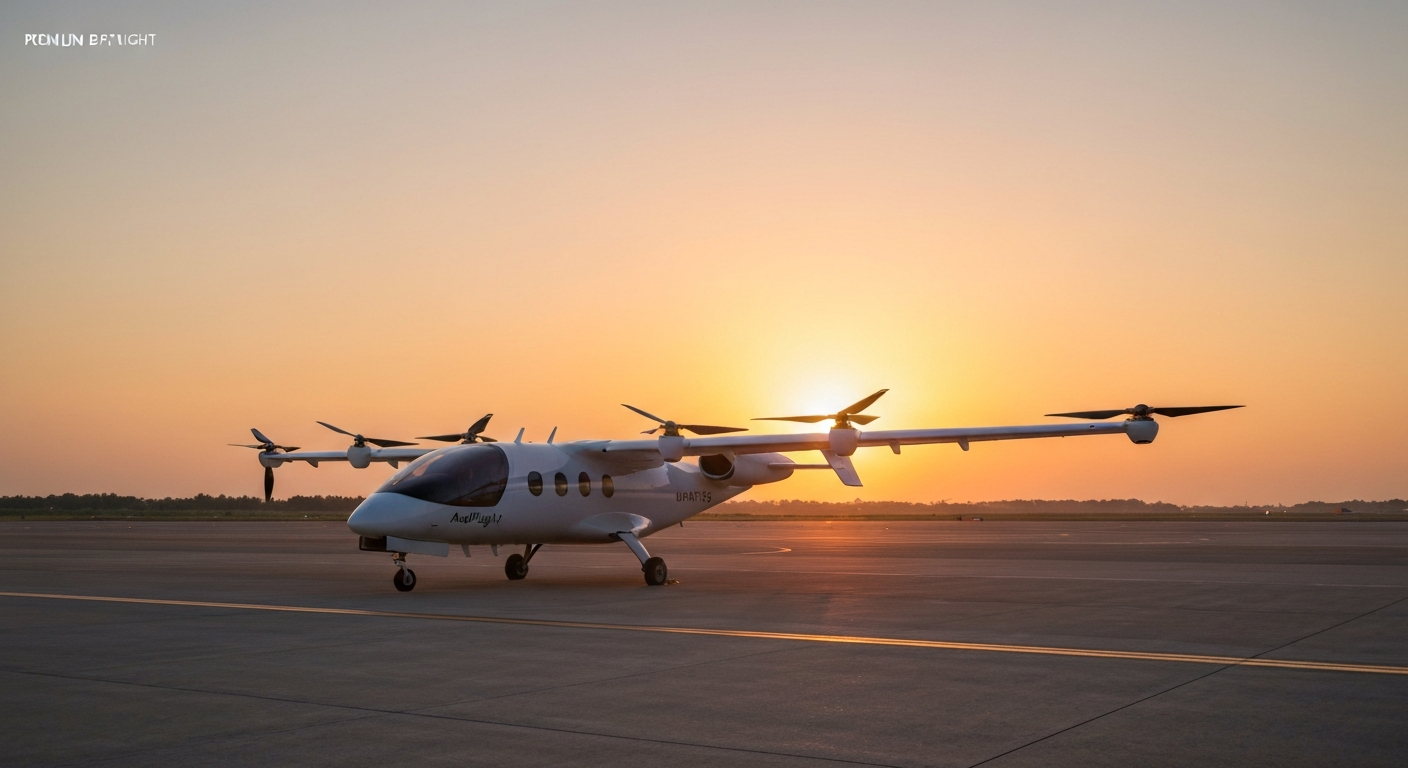
AutoFlight, a prominent name in advanced air mobility, recently announced it received a Validated Type Certificate (VTC) from Indonesia’s Directorate General of Civil Aviation (DGCA) for its V2000CG CarryAll cargo eVTOL aircraft. This crucial validation permits the unmanned cargo eVTOL to commence commercial operations within Indonesian airspace. This achievement is particularly notable as it marks the first time an eVTOL aircraft has secured such overseas airworthiness validation, setting a global precedent for future approvals in the emerging eVTOL sector.
The V2000CG CarryAll is designed specifically for efficient and eco-friendly cargo transport, boasting vertical take-off and landing capabilities that negate the need for traditional runways. Its operational flexibility allows for point-to-point delivery, potentially revolutionizing logistics in challenging terrains or remote islands, which is especially relevant for an archipelago nation like Indonesia. The validation process involved rigorous testing and evaluation to ensure the aircraft meets stringent safety and operational standards.
This regulatory milestone is expected to unlock new possibilities for last-mile delivery and inter-island freight services across Indonesia. AutoFlight’s collaboration with local authorities underlines a shared vision for leveraging cutting-edge aviation technology to enhance economic connectivity and sustainability within the region. The move highlights Indonesia’s commitment to adopting innovative solutions for its unique geographical and logistical challenges.
Why It Matters for Travelers
While the V2000CG is a cargo aircraft, its entry into commercial service has an indirect but significant impact on the broader aviation ecosystem and, by extension, on travelers. The integration of eVTOL cargo services could lead to more efficient use of traditional airport infrastructure. By offloading certain freight operations to these specialized vertical take-off vehicles, conventional runways and gates might see reduced congestion from dedicated cargo planes, potentially streamlining passenger operations and reducing overall air traffic delays for travelers.
Furthermore, the success of cargo eVTOLs in gaining regulatory approval paves the way for future passenger eVTOL advancements. As authorities become more familiar and confident with the safety and operational protocols of these new aircraft types, the path for passenger-carrying eVTOLs, often referred to as “flying taxis,” becomes clearer. This foundational step by AutoFlight and Indonesia could accelerate the development and certification of urban air mobility solutions that promise to transform short-distance travel, offering new commuting options and faster airport transfers for travelers in the years to come.
This innovation also signifies a broader trend towards sustainable aviation. eVTOL aircraft are electric, producing zero operational emissions, which aligns with global efforts to reduce the carbon footprint of air travel. Travelers increasingly prioritize eco-friendly options, and the growth of electric aviation, even starting with cargo, contributes to a greener future for the entire industry.
What to Expect Next
Following this pivotal validation, AutoFlight is expected to begin deploying its V2000CG CarryAll aircraft for commercial cargo operations across Indonesia. Initial rollouts will likely focus on specific routes or logistical partnerships, demonstrating the aircraft’s capabilities and gathering operational data. This initial phase will be crucial for refining the service and integrating it seamlessly into Indonesia’s existing transport network.
Looking ahead, the success of this cargo eVTOL program could serve as a blueprint for other nations considering similar advancements in advanced air mobility. It will also likely inspire further investment and innovation in the eVTOL space, pushing manufacturers to develop more advanced and specialized aircraft. Travelers should watch this space as these developments lay the groundwork for a future where air travel, both for cargo and passengers, becomes more efficient, accessible, and environmentally conscious.
With global travel constantly evolving, staying informed matters. Be sure to sign up for our newsletter and follow us on social media to stay up to date on the latest travel news and industry updates.