
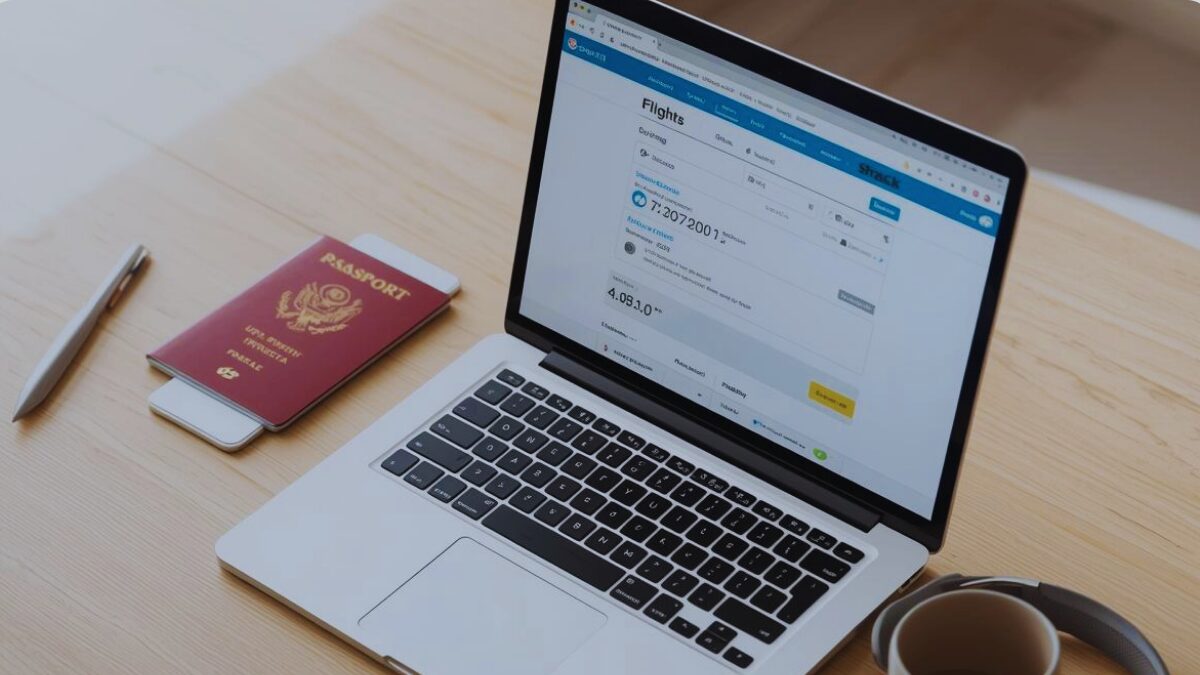
How Travelers Actually Save Money on Flights
Summary
Learning how to save money on flights is less about chasing miracle deals and more about using a few simple habits every time you search. With a clear plan, you can lower your airfare, avoid unnecessary fees, and feel better about what you paid when you finally board.
Start With Flexible Dates and Airports
One of the most powerful ways to save on flights is to loosen your grip on exact dates and times. Even shifting your departure or return by a day or two can dramatically change the price, especially around weekends and holidays. When you’re willing to fly on a Tuesday instead of a Sunday, or early morning instead of peak evening hours, you give yourself access to cheaper fare buckets that many travelers never see.
If you live near more than one airport, comparing options can also unlock savings. Sometimes flying out of a secondary airport or into a nearby city and connecting by train or bus ends up cheaper than the most obvious route. It’s not about making your trip complicated—it’s about checking whether a slight adjustment in your plan can shave a meaningful amount off the ticket price.
Using flexible date search tools can make this easier. Many flight search engines let you see prices across a whole week or month at a glance instead of only your exact dates. Scanning that calendar view helps you quickly spot which travel days give you the lowest fares without manually running dozens of separate searches.
Use Flight Search Tools the Right Way
Most people already use flight search sites, but how you search matters almost as much as where. Searching in private or incognito mode, or clearing cookies between searches, can reduce the chance of seeing nudged-up prices after you’ve checked the same route several times. While price changes are influenced by many factors, keeping your search as “clean” as possible helps you see genuinely updated fares, not just patterns based on your previous clicks.
It also helps to compare a few different search platforms instead of relying on just one. Some tools highlight budget carriers better, while others surface strong deals from major airlines or show useful filters like baggage policies and layover lengths. Once you spot a good option in a search tool, you can check the airline’s own website to see if the same flight is cheaper or comes with better change or customer service policies.
Filters can become your best friend. Sorting by “cheapest” is a start, but adding preferences like “one-stop or nonstop only,” reasonable layover times, and included baggage helps you find deals that are both affordable and realistic for how you like to travel. The goal is to save money without signing yourself up for miserable connections or surprise fees.
Understand What’s Actually Included in the Fare
Saving money on flights isn’t just about the base ticket price—it’s also about what that ticket does or doesn’t include. Many low headline fares strip out things like seat selection, carry-on bags, or checked luggage, then charge extra for each add-on. If you’re not careful, a “cheap” ticket can end up costing more than a slightly higher fare that includes everything you need.
Before you book, look closely at the baggage policy for your fare type. If you know you’ll need a carry-on and a checked bag, it may be smarter to choose a fare that includes both rather than paying multiple separate fees later. This is especially true on long trips or when you’re traveling with gear you can’t easily downsize.
Seat selection fees are another area to watch. If you’re comfortable letting the airline assign a seat at check-in, you may not need to pay for a specific spot. If choosing your seat matters to you—like needing extra legroom or wanting to sit next to a travel partner—factor that cost in while comparing tickets instead of treating it as an afterthought.
Time Your Booking Based on Your Route
There isn’t a single perfect day you must book every flight, but timing still matters. For many routes, booking too early or too late can both cost you more. International trips often reward booking farther in advance, while some shorter or domestic routes have more dynamic pricing and occasional sales.
A helpful habit is to start tracking prices early for important trips. By watching fares over a few days or weeks, you get a sense of what’s normal for your route and season. That way, when you see a price that’s clearly on the lower end of that range, you’ll feel more confident locking it in instead of second-guessing yourself.
You can also set price alerts through various tools so you don’t have to check manually every day. These alerts notify you when fares drop or rise for your chosen route and dates. While they won’t guarantee the absolute lowest possible price, they give you enough information to make a good decision instead of guessing in the dark.
Be Strategic About Budget Airlines
Budget airlines can offer impressive-looking fares, especially within regions like Europe or Southeast Asia. To really save money with them, though, you need to go in with clear eyes about the trade-offs. Lower base prices are often paired with fees for almost everything else: carry-ons, checked bags, printing a boarding pass at the airport, or even choosing not to check in online ahead of time.
Before booking, read through the airline’s rules carefully. If you can travel light with a small bag that fits their size limits, check in online, and skip seat selection, budget carriers can deliver excellent value. If you know you’ll need more luggage or flexibility, the final cost may end up closer to or even higher than a more traditional airline.
Pay attention to which airports budget airlines use as well. Some fly into secondary airports farther from city centers, which can add time and transportation costs to your arrival. If the flight price is great but the airport is far out, it’s worth calculating whether the total cost still makes sense for your plans.
Look for Opportunities to Use Points or Miles
You don’t have to be a full-on points enthusiast to benefit from rewards. If you already have a credit card that earns travel points or airline miles, it’s worth checking what your current balance can get you. Sometimes you can cover an entire flight, and other times you can knock a meaningful amount off the cash price by using points to offset part of the fare.
Even if you’re not sitting on a big points stash, paying attention to how you earn and redeem over time can build future savings. Putting everyday spending on a card that offers flexible travel rewards, then redeeming strategically toward higher-priced flights, can be more valuable than using points on cheap fares. It’s about getting the most real-world value for what you’ve already earned.
When you do redeem, compare the points cost to the cash price of the same ticket. If the cash price is unusually low, it might be smarter to pay cash and save your points for a more expensive route later. This way, your rewards work harder for you instead of disappearing on small, low-value redemptions.
Consider One-Way and Multi-City Options
Round-trip tickets aren’t always the cheapest or most flexible option. For some journeys, booking separate one-way flights or using a multi-city search can open up routing and pricing combinations you wouldn’t see otherwise. This is especially helpful if you’re planning to fly into one city and out of another, or if you’re stringing together a few destinations in a region.
When comparing these options, look at the total cost of your full plan, not just each individual segment. In some cases, a slightly higher ticket price that connects your route smoothly can still beat the cost of piecing together multiple awkward flights plus extra transport. The key is to explore these structures early instead of assuming one standard round-trip is the only option.
Flexibility about your return city or dates can also work to your advantage. If you’re open to ending your trip in a nearby hub with more flights instead of a smaller airport, you may find better fares or more direct options back home. For long or complex trips, this kind of planning often leads to both savings and a smoother experience.
Avoid Extra Costs at the Airport
A lot of flight-related spending happens before you even board. Airport markups on food, drinks, and last-minute items can quietly chip away at the money you saved on the ticket itself. Packing snacks, an empty reusable water bottle you can fill after security, and small essentials like chargers or headphones helps you sidestep those inflated prices.
If you arrive knowing you’ll have several hours at the airport, it can also help to plan ahead for how you’ll spend that time. Access to certain lounges through a card or day pass can sometimes be worth it if it replaces buying full meals, drinks, and workspace separately. If lounge access isn’t your style, simply planning a light meal before leaving home and bringing what you need for the flight can be enough to keep you from impulse spending.
Checking in online and organizing your digital boarding pass before you head out can also reduce the chances of last-minute fees. Being prepared helps you avoid situations where you might have to pay to print documents, check a bag you could have packed more strategically, or miss a cut-off that leads to costly changes.
Know When Paying a Little More Is Worth It
Saving money on flights doesn’t always mean choosing the absolute cheapest option on the screen. Sometimes spending a bit more on a better schedule, a more reliable airline, or a fare with flexible changes can save you money and stress later if plans shift. It’s about value, not just the lowest number.
If you’re traveling for something time-sensitive—like a wedding, a cruise departure, or a big event—paying for a flight with better timing and fewer connections can be an investment in peace of mind. Similarly, if a slightly more expensive ticket comes with free checked bags, better support in case of delays, or more reasonable change policies, it may be the smarter long-term choice.
Thinking this way helps you see flights as part of the overall trip budget, not a separate puzzle. When your ticket supports your plans instead of complicating them, you’re less likely to face expensive last-minute fixes or rebookings that erase any savings you gained up front.
Build Your Own Simple Flight-Booking Ritual
Over time, you can turn all of this into a simple routine you repeat for every trip. That might look like checking flexible dates and nearby airports, comparing fares across a few tools, reviewing what’s included in each ticket, and then confirming baggage rules before you hit “purchase.” Once you’ve done it a few times, it stops feeling like research and starts feeling like your normal way of booking flights.
You can also create a short checklist that lives in a note app or travel folder: check foreign transaction fees on the card you’ll use, confirm you’ve cleared cookies before searching, set a price alert for non-urgent trips, and make sure your frequent flyer number is added. This kind of personal system doesn’t need to be complicated—it just needs to be consistent.
When you approach flight booking this way, saving money becomes a natural side effect of how you plan, not a stressful scramble to find a “perfect deal.” Each trip gives you more experience, more intuition about what’s a good price for your routes, and more confidence that you’re making solid decisions with the options in front of you.
With that said, take control of your travel finances. Sign up for our newsletter and follow us on social media for smart tips on saving money, avoiding fees, and managing your finances abroad.