New Euro9000 Locomotives Boost European Rail Network Efficiency
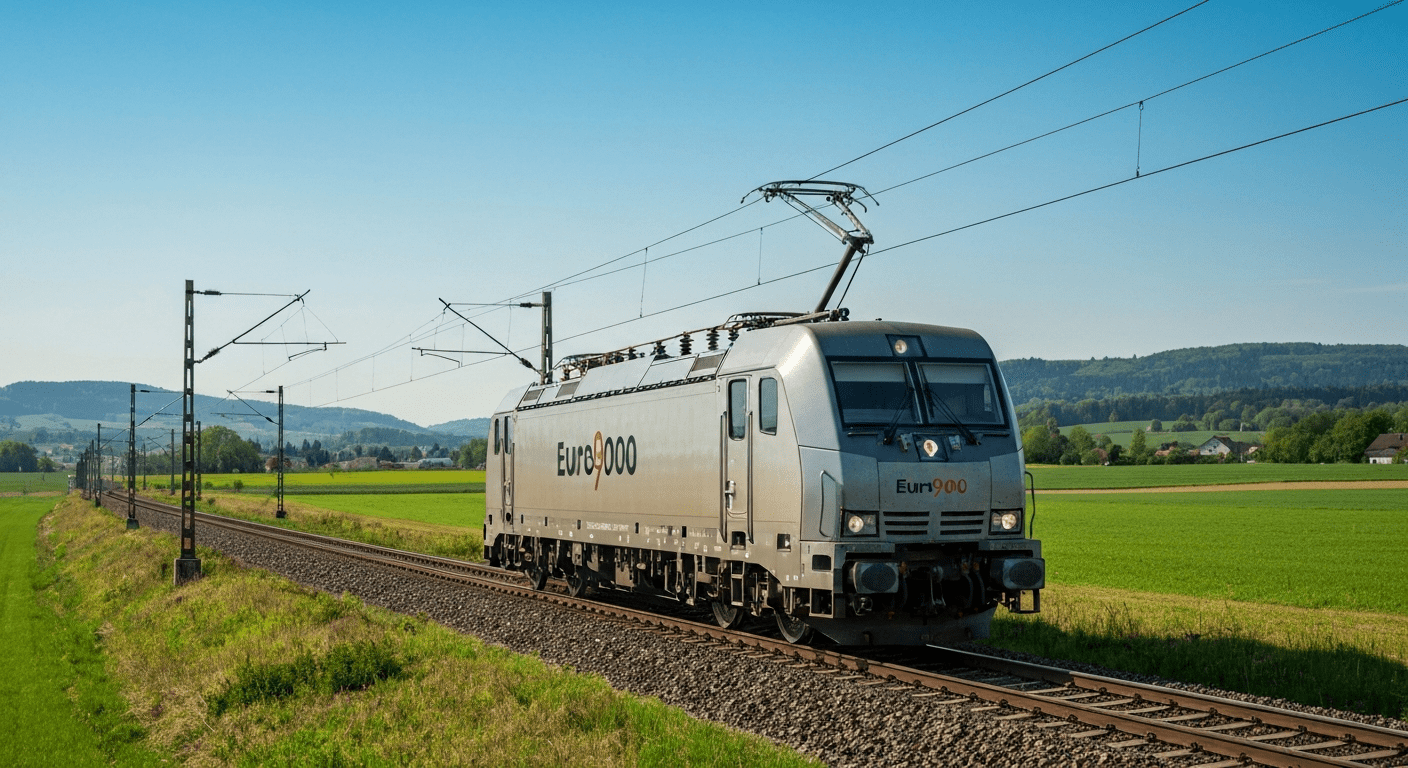
Alpha Trains recently delivered two advanced Euro9000 locomotives to Belgian operator Lineas, marking a significant upgrade for the European rail freight network. This introduction of state-of-the-art technology is set to enhance operational efficiency and sustainability across vital rail corridors.
What Happened
The Euro9000 locomotives are among the most powerful electric locomotives in Europe, designed for cross-border operations with multi-system capabilities. Their acquisition by Lineas, a prominent European rail freight operator, represents a substantial investment in modernizing the continent’s rail infrastructure and logistics capabilities. These powerful machines are capable of operating on various electrification systems and overcoming steep gradients, offering greater flexibility and efficiency for long-distance hauls.
This deployment is part of a broader trend seeing rail operators across Europe adopting cutting-edge technology to improve the speed, reliability, and capacity of their services. While these specific locomotives are designated for freight, their advanced features contribute to the overall resilience and performance of the shared rail network. Improved freight efficiency can indirectly alleviate congestion on key routes, potentially creating more favorable conditions for passenger train operations.
The move underscores the commitment of rail lessors like Alpha Trains and operators like Lineas to support the shift towards more sustainable transportation. By leveraging high-capacity, energy-efficient locomotives, the industry aims to reduce road congestion and lower carbon emissions associated with goods transport, aligning with broader European environmental goals. This investment in advanced rail technology solidifies the continent’s position as a leader in modern railway development.
Why It Matters for Travelers
While primarily used for freight, the enhancement of the European rail network through these powerful new locomotives offers indirect, yet significant, benefits for leisure and business travelers. A more efficient freight system means less strain on shared railway infrastructure, which can translate into improved scheduling and reliability for passenger services down the line. When freight moves more smoothly, it can free up track space, potentially reducing delays and allowing for better timetable planning for passenger trains.
Travelers are increasingly prioritizing sustainable and efficient travel options, and a robust rail network supports this preference. Investments in advanced rail technology, even on the freight side, signal a healthy and evolving rail ecosystem that prioritizes modernization and environmental responsibility. This overarching commitment to advanced rail infrastructure indirectly fosters an environment where passenger rail can thrive, leading to future expansions and improved service quality.
Furthermore, a highly efficient freight rail network is crucial for the economic health of regions, which in turn supports the infrastructure and services available to travelers. Strong rail logistics can contribute to vibrant city centers and accessible destinations, making travel more convenient and enjoyable. As the overall rail system becomes more capable, the likelihood of future investments in high-speed passenger lines and regional connections also increases, promising a more integrated and reliable travel experience.
What to Expect Next
Expect to see continued investment in state-of-the-art rail technology across Europe, encompassing both freight and passenger fleets. This modernization trend suggests a future where European rail services, both for goods and people, are increasingly efficient, reliable, and environmentally friendly. Travelers can anticipate an incrementally improving rail landscape as these foundational upgrades mature.
While the immediate impact of these specific freight locomotives might not be directly noticeable to passenger train riders, their role in strengthening the overall rail backbone is undeniable. Over time, these foundational improvements will contribute to a more robust and interconnected European rail network, potentially paving the way for more frequent, punctual, and expanded passenger rail options. The continent’s commitment to rail innovation bodes well for the future of sustainable and enjoyable train journeys.
With global travel constantly evolving, staying informed matters. Be sure to sign up for our newsletter and follow us on social media to stay up to date on the latest travel news and industry updates.