
Why Americans Should Register With STEP Before Traveling Abroad
Summary
The Smart Traveler Enrollment Program is a free service that allows U.S. travelers to register their trips with the U.S. Department of State before going abroad. Despite its benefits, many Americans still travel internationally without enrolling, leaving them without access to important safety updates and embassy support.
What Travelers Should Know
The Smart Traveler Enrollment Program (STEP) allows U.S. citizens traveling abroad to receive real-time travel alerts, safety updates, and direct communication from the nearest U.S. embassy or consulate. This includes notifications about natural disasters, civil unrest, political instability, or other safety risks that may affect travelers.
Registering with STEP also allows the U.S. embassy to contact travelers in case of emergencies, including family emergencies back home or situations where travelers may need assistance abroad. For Americans traveling internationally, this added layer of communication can be critical during unexpected events.
Pre-trip preparation plays a major role in travel safety. Reviewing official travel advisories through the U.S. Department of State helps travelers understand risk levels in specific countries. Travel insurance is also essential, providing coverage for medical emergencies, cancellations, and unexpected disruptions that may occur during international travel.
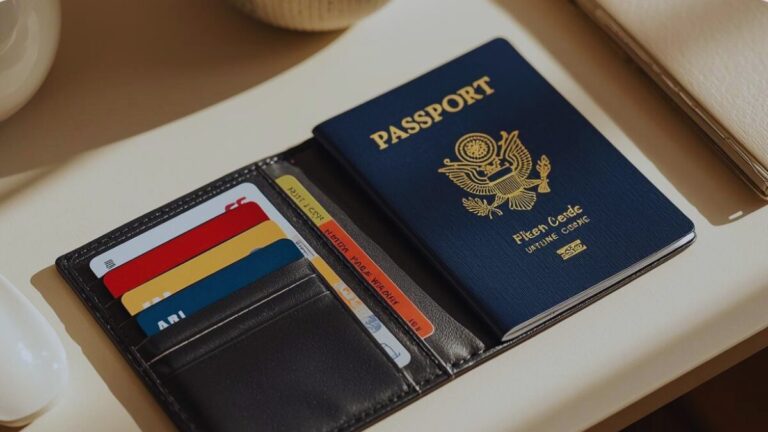
Securing important documents before departure is equally important. Travelers should keep digital and physical copies of passports, visas, and travel confirmations in separate locations to reduce risk if items are lost or stolen.
Common Scenarios to Watch For
Many travelers assume that emergencies abroad are rare, but situations such as sudden political protests, natural disasters, or transportation disruptions can occur without warning. Without STEP registration, travelers may not receive timely updates or instructions from local authorities or embassies.
In destinations with more complex visa processes or limited infrastructure, travelers may face additional challenges if issues arise. Some regions, including parts of Africa or remote travel areas, may have limited embassy access or slower communication channels, making advance registration even more important.
Travel scams and safety risks can also escalate in unfamiliar environments. Without access to verified government updates, travelers may rely on unofficial information sources, increasing the risk of misinformation and poor decision-making during critical situations.
How to Avoid It
Registering for STEP before international travel is one of the simplest ways to improve safety while abroad. The process takes only a few minutes and allows travelers to receive location-specific alerts and updates throughout their trip.
Travelers should also combine STEP registration with other safety measures, including booking through verified platforms, monitoring official travel advisories, and maintaining awareness of local conditions. Staying informed through reliable sources can significantly reduce risk during international travel.
What to Do If It Happens
If an emergency or safety issue occurs while traveling abroad, registered STEP users can receive guidance from the nearest U.S. embassy or consulate. Travelers should follow official instructions, maintain communication when possible, and contact embassy services for assistance with documentation, evacuation support, or emergency coordination.
In conclusion, staying informed is one of the best ways to travel smarter and safer. Sign up for our newsletter and follow us on social media for the latest travel safety updates, alerts, and essential tips.