Costa Cruises Curbs Buffet Food Removal with New Policy
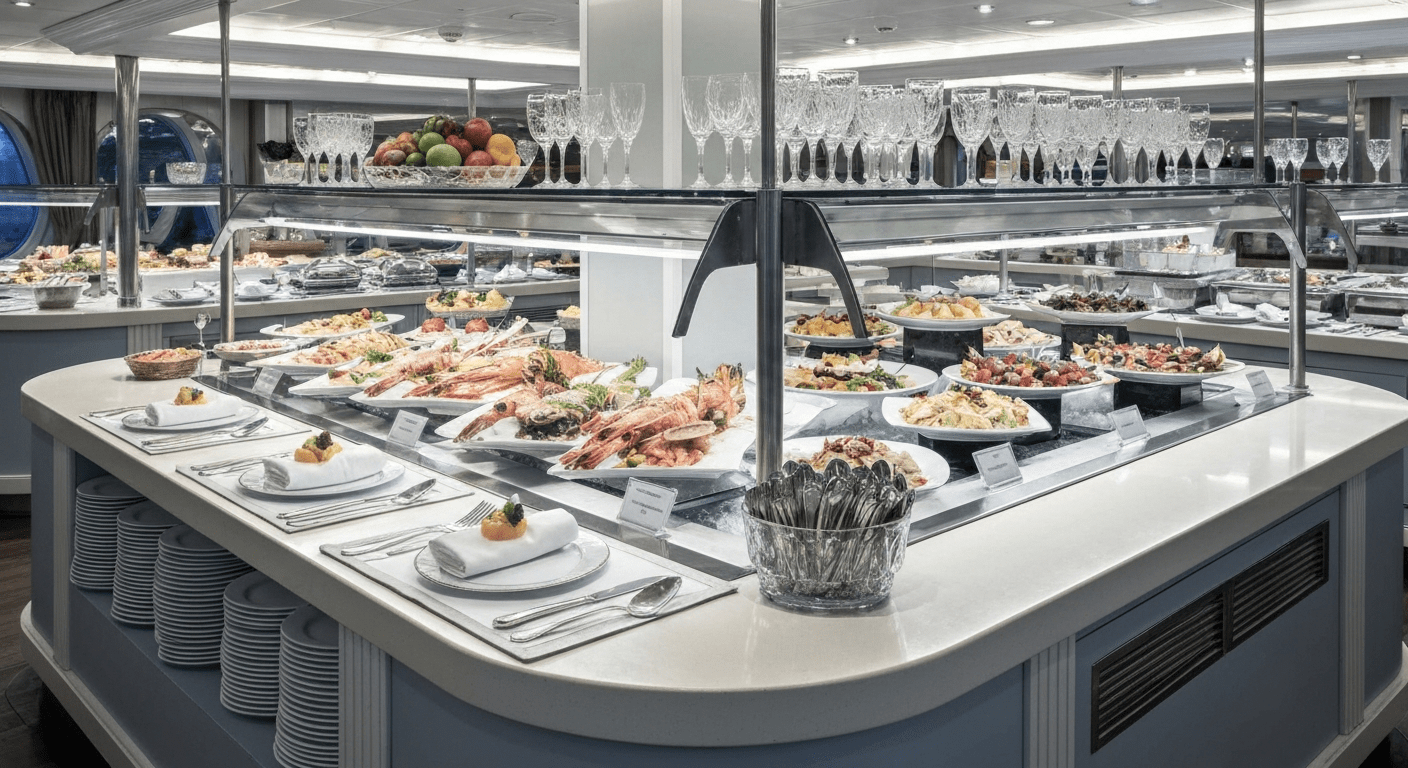
Costa Cruises has recently introduced a significant change to its onboard dining policy, restricting guests from taking food from buffets and restaurants to other areas of the ship.
What Happened
The new directive from Costa Cruises explicitly prohibits passengers from removing food items from designated dining venues for consumption in public areas, by the pool, or within their cabins. This updated policy, which has been communicated to guests onboard, aims to uphold the cruise line’s rigorous standards of health and hygiene across its fleet. Officials state the measure is intended to prevent potential issues such as food contamination, maintain overall ship cleanliness, and deter pest concerns from arising in unauthorized dining zones.
Under this new rule, travelers found not adhering to the regulation may incur a €60 (approximately $70 USD) cleaning fee. This charge is applied to address the costs associated with deep cleaning and sanitization required when food is consumed or left in areas not equipped for dining. The policy highlights the cruise line’s proactive approach to environmental and public health management.
While room service remains available as a convenient alternative, its operation will now be exclusively handled by trained crew members. These staff are responsible for both delivering requested meals and retrieving used dishes from staterooms, ensuring that proper sanitary procedures are consistently maintained. This marks a notable shift from how some guests previously chose to privately dine in their staterooms using selections they personally carried from buffet areas.
Why It Matters for Travelers
This policy directly impacts how guests plan their meals and snacks onboard, introducing a new consideration for those accustomed to flexible dining. Travelers who enjoyed grabbing a quick bite from the buffet to savor on their private balcony, by the pool deck, or in another public lounge will now need to adjust their routines. This might mean relying more on structured dining times in restaurants or utilizing room service, which for many cabin categories, comes with an additional charge.
The change also underscores a broader industry focus on maintaining stringent hygiene protocols, a priority that has only intensified in recent years. While some guests may appreciate the cruise line’s commitment to enhanced cleanliness and order, others might find the restriction less convenient. Considerations arise especially during off-peak hours when main dining venues might be closed, or for individuals with specific dietary needs who might require more immediate access to food outside traditional service times.
This approach by Costa Cruises stands in contrast to the policies of some other cruise lines, including sister brands within the Carnival Corporation, which often allow more flexibility regarding where guests consume food. Travelers who frequently cruise with multiple lines will notice this distinction, potentially influencing their choices for future voyages based on preferred dining freedom.
What to Expect Next
As cruise lines continually refine their operational policies, guests should anticipate ongoing adjustments across various aspects of the onboard experience. Travelers booking with Costa Cruises or other lines should make it a point to review current onboard policies closely, especially those pertaining to dining and guest services. Staying informed will help avoid unexpected fees and ensure a smooth, enjoyable sailing experience that meets personal expectations.
With global travel constantly evolving, staying informed matters. Be sure to sign up for our newsletter and follow us on social media to stay up to date on the latest travel news and industry updates.