Sinkhole Shuts LaGuardia Runway, Causes Flight Disruptions
A recent infrastructure issue at LaGuardia Airport temporarily closed one of its primary runways, leading to widespread flight disruptions for travelers. This unexpected development necessitated immediate action from airport authorities and airlines to ensure safety and manage operations efficiently.
What Happened
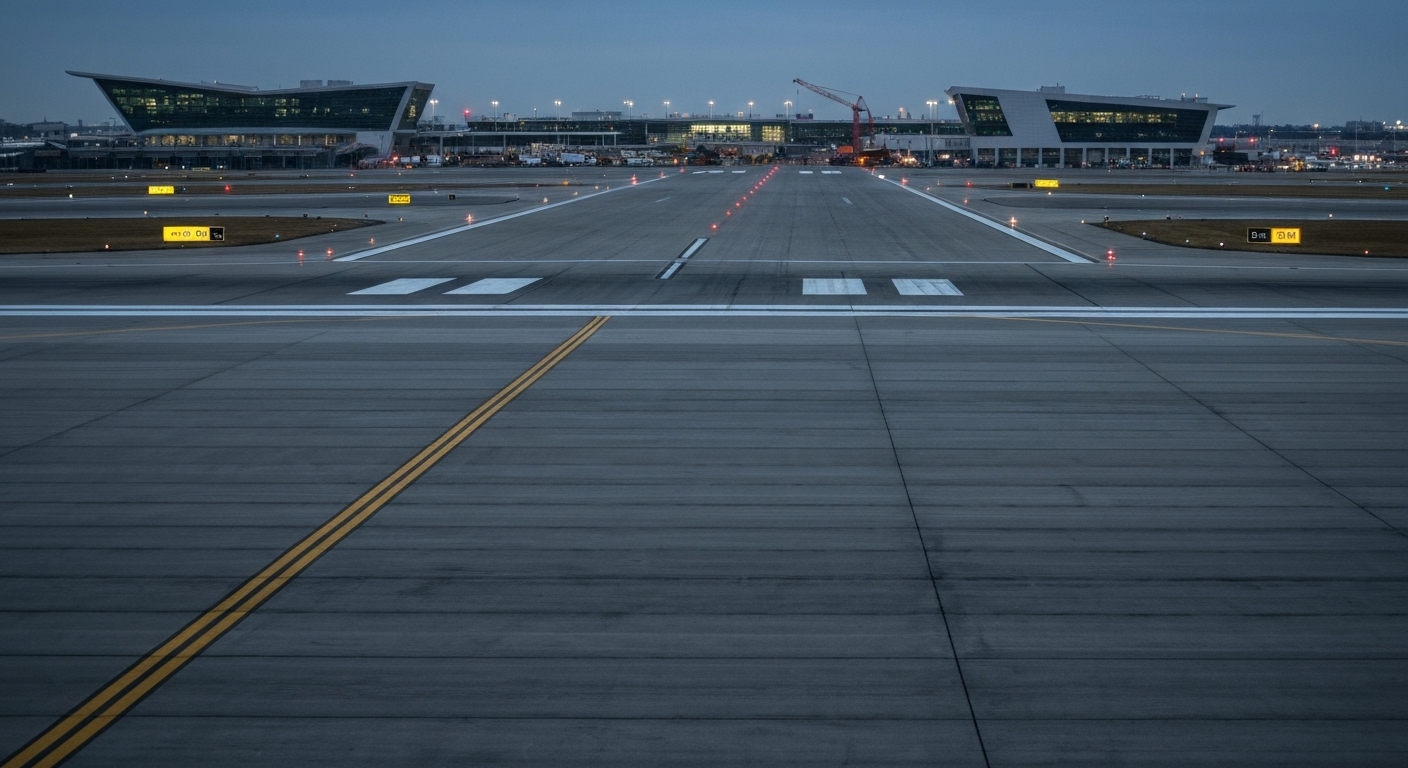
On May 20, airport officials at LaGuardia (LGA) made an unexpected discovery during a routine morning inspection: a significant sinkhole had formed near Runway 4/22. The Port Authority of New York and New Jersey, responsible for the airport’s infrastructure, promptly closed the affected runway. Emergency construction and engineering teams were immediately dispatched to the site to assess the damage, determine the root cause, and initiate repair procedures. This swift and decisive response prioritized passenger and operational safety above all else.
Runway 4/22 is one of only two crucial runways at LaGuardia, a tightly constrained and heavily trafficked airfield in Queens, New York. Its sudden closure severely limited the airport’s capacity for takeoffs and landings, quickly translating into a cascade of operational challenges. Hundreds of scheduled flights experienced significant delays and cancellations throughout the day, creating a ripple effect across major domestic flight networks.
Airlines operating out of LGA rapidly began adjusting their schedules, working to re-route passengers and communicate changes through their digital platforms and airport staff. While the exact dimensions and geological cause of the sinkhole were not immediately released, authorities confirmed that no injuries occurred, emphasizing that the issue was identified before it could impact any aircraft in operation. The Port Authority advised all affected passengers to frequently check directly with their airlines for the most current flight status updates, especially as adverse weather conditions, including thunderstorms, were also predicted to further complicate the airspace management.
This incident echoes similar, though often less severe, runway-area sinkholes experienced at other major hubs, such as Dallas/Fort Worth International Airport in 2015 and Charles M. Schulz-Sonoma County Airport as recently as 2024. Such events highlight the continuous maintenance challenges faced by airport infrastructure and the immediate operational vulnerabilities that can arise.
Why It Matters for Travelers
For tens of thousands of travelers, a single runway closure at a high-volume hub like LaGuardia can create substantial inconvenience and unexpected itinerary changes. Reduced runway capacity directly curtails the number of aircraft that can arrive and depart, leading to extended ground delays, revised departure times, and sometimes complete flight cancellations. Passengers planning to depart from LGA, those connecting through New York, or even those flying into the region from other cities felt the immediate brunt of these disruptions.
Such unforeseen events underscore the critical importance of proactive travel planning and vigilance. Checking airline apps, official airport websites, or subscribing to flight alert services well before heading to the airport can provide crucial real-time updates. This allows travelers to anticipate potential changes, make necessary alternative arrangements like rescheduling or rebooking, and avoid unnecessary trips to the airport only to find their flight cancelled. Having flexible tickets or comprehensive travel insurance can also offer a vital safety net, mitigating financial losses and stress during unexpected operational challenges.
Moreover, these incidents remind travelers that airport infrastructure, while robust, is subject to the forces of nature and continuous wear. Understanding the potential for such disruptions encourages a more resilient approach to travel, where patience and preparedness become key companions on any journey. The focus remains on safety, but the immediate impact on personal travel plans is undeniable.
What to Expect Next
The immediate priority for airport authorities and engineering teams is to conduct a thorough structural integrity evaluation of the affected runway area and surrounding infrastructure. Following this assessment, comprehensive repair procedures will be implemented to permanently address the sinkhole. The timeline for the full reopening of Runway 4/22 is contingent upon the complexity and depth of these repairs, which, based on historical precedents, could vary from just a few hours to several days or even longer, depending on subsurface conditions.
During the repair phase, airlines will continue to manage their flight schedules by utilizing the remaining operational runway, Runway 13/31. This will likely result in continued adjustments to flight timings, potential gate changes, and ongoing efforts to minimize delays and cancellations as much as possible. Travelers with upcoming flights through LaGuardia are strongly advised to remain vigilant. Continuously monitoring official airport and airline communications for the absolute latest updates on LaGuardia’s operational status is essential, ensuring they have the most current information before commencing their journey.
With global travel constantly evolving, staying informed matters. Be sure to sign up for our newsletter and follow us on social media to stay up to date on the latest travel news and industry updates.